What Radon Levels Mean for Homes in Eastern North Carolina
May 31, 2026
Radon is an invisible and odorless radioactive gas that enters homes through soil, foundation gaps, crawl spaces, and structural openings. Because it cannot be detected without testing, many homeowners remain unaware of the risks associated with elevated radon exposure. Across Eastern North Carolina, growing awareness around indoor air quality has increased interest in radon testing, especially as buyers, sellers, and property owners become more informed about long-term health concerns linked to indoor environmental hazards. While radon is commonly associated with mountainous regions and areas with heavy rock formations, homes in coastal and inland parts of North Carolina can also experience elevated radon levels depending on soil composition, drainage conditions, construction methods, and ventilation patterns.
For homeowners in Eastern North Carolina, understanding radon risks is important because environmental conditions throughout the region vary significantly between coastal communities, inland counties, rural properties, and developing suburban neighborhoods. Many people mistakenly assume coastal homes are naturally protected due to sandy soil or ocean airflow, yet radon can still accumulate inside enclosed spaces regardless of proximity to water. Crawl spaces, slab foundations, poorly ventilated lower levels, and tightly sealed homes may all contribute to indoor radon buildup. Knowing how radon behaves, how testing works, and what mitigation options exist allows homeowners to make informed decisions that protect both property value and household health over time.
Understanding What Radon Is and Why It Matters
How Radon Forms Beneath Residential Properties
Radon forms naturally when uranium in soil, rock, and groundwater begins to break down over time. As the radioactive material decays, radon gas is released into the surrounding environment and moves upward through the ground. Outdoors, radon usually disperses quickly and poses little concern. Problems begin when the gas becomes trapped inside enclosed structures such as homes, commercial buildings, crawl spaces, and basements.
Homes throughout Eastern North Carolina may experience varying radon levels depending on local geology and soil conditions. Even neighboring houses can produce completely different test results because radon entry depends on foundation integrity, moisture conditions, ventilation patterns, and structural design. Cracks in slabs, pipe penetrations, sump pits, crawl spaces, and foundation joints can all create pathways for gas intrusion.
Health Risks Linked to Long-Term Exposure
Radon exposure is one of the leading causes of lung cancer among non-smokers in the United States. The gas itself is not immediately harmful when inhaled occasionally, but long-term exposure to elevated indoor concentrations increases health risks significantly. Radioactive particles released by radon decay can become trapped in the lungs, damaging tissue over time.
The Environmental Protection Agency recommends action when radon levels reach or exceed 4.0 picocuries per liter (pCi/L). However, lower levels may still present health concerns over extended periods. Because symptoms do not appear immediately, homeowners often have no indication that exposure is occurring.
Families with children, elderly residents, or individuals with respiratory concerns often place additional importance on indoor air quality testing. In real-world situations, homeowners frequently discover elevated radon levels during real estate transactions or routine inspections despite never suspecting a problem previously.
Radon Concerns in Eastern and Coastal North Carolina
Why Coastal Homes Are Not Automatically Safe
One of the most common misconceptions surrounding radon involves the belief that coastal properties are naturally protected due to sandy soil and open airflow. While certain coastal areas may experience lower average readings than mountainous regions, coastal homes can still develop elevated indoor radon levels under the right conditions.
Homes in Eastern North Carolina often include crawl spaces, raised foundations, enclosed lower levels, or slab construction that can allow radon gas to accumulate indoors. Humidity management systems, sealed building envelopes, and energy-efficient upgrades may also reduce natural airflow, increasing the potential for indoor gas concentration.
Properties near Jacksonville, Wilmington, New Bern, Greenville, and surrounding communities may experience different radon behavior depending on drainage conditions, groundwater movement, soil density, and foundation type. Inland properties with clay-heavy soil or poor sub-surface ventilation may also face elevated risks.
Regional Soil and Foundation Factors
Radon behavior is influenced heavily by the relationship between soil pressure and indoor air pressure. When warm indoor air rises and escapes through upper portions of a home, negative pressure develops near the foundation. This pressure difference can draw radon gas upward from beneath the structure.
Eastern North Carolina properties commonly feature crawl spaces due to moisture concerns and flood-zone construction requirements. Crawl spaces can become major collection points for radon when vapor barriers, ventilation systems, or drainage systems are inadequate.
Older homes may also contain foundation settling, small cracks, or outdated construction methods that increase radon entry potential. Newer homes are not immune either. Modern energy-efficient construction often creates tighter indoor environments where airborne contaminants remain trapped longer without proper ventilation planning.
Common Radon Testing Methods for Residential Properties
Short-Term Radon Testing
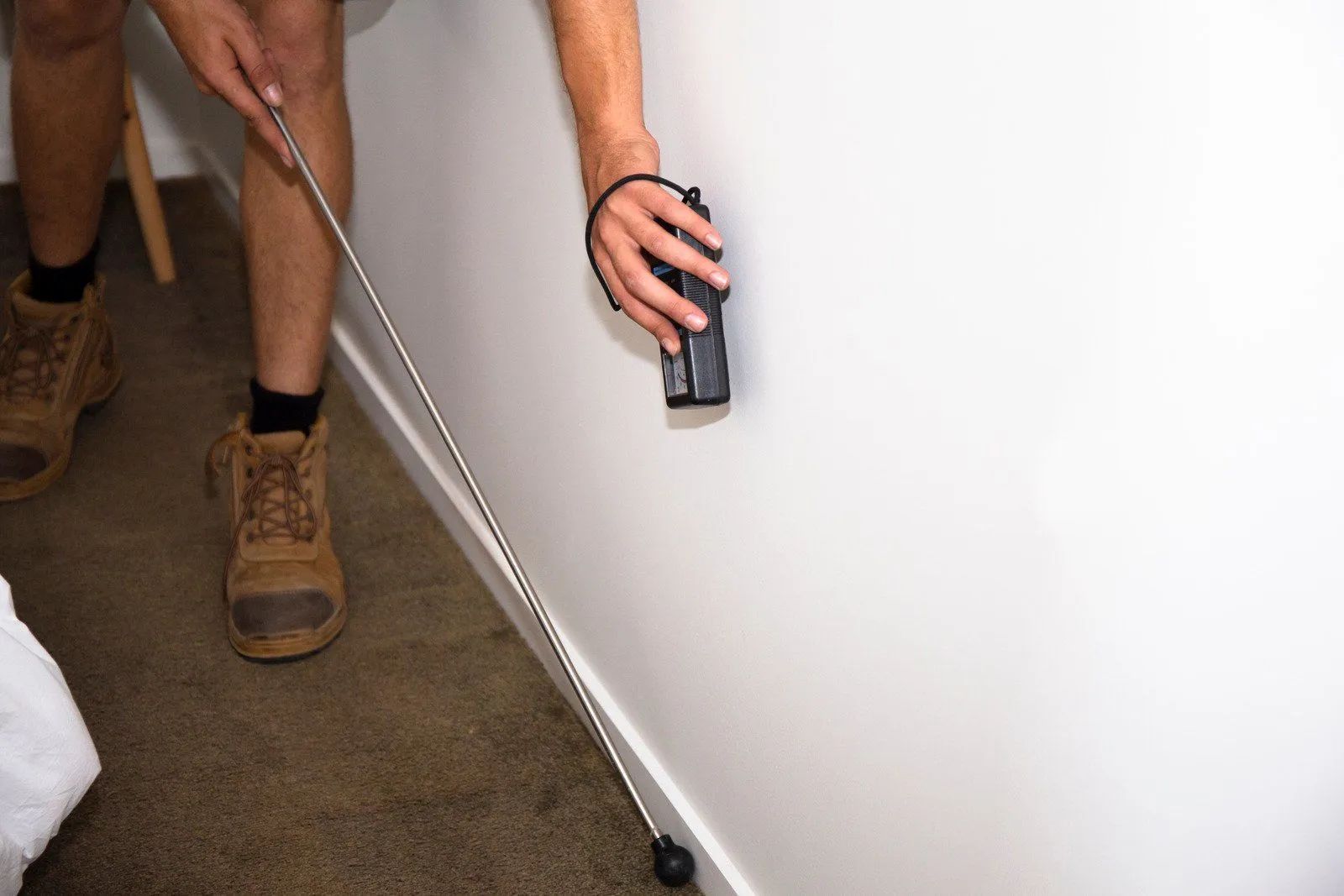
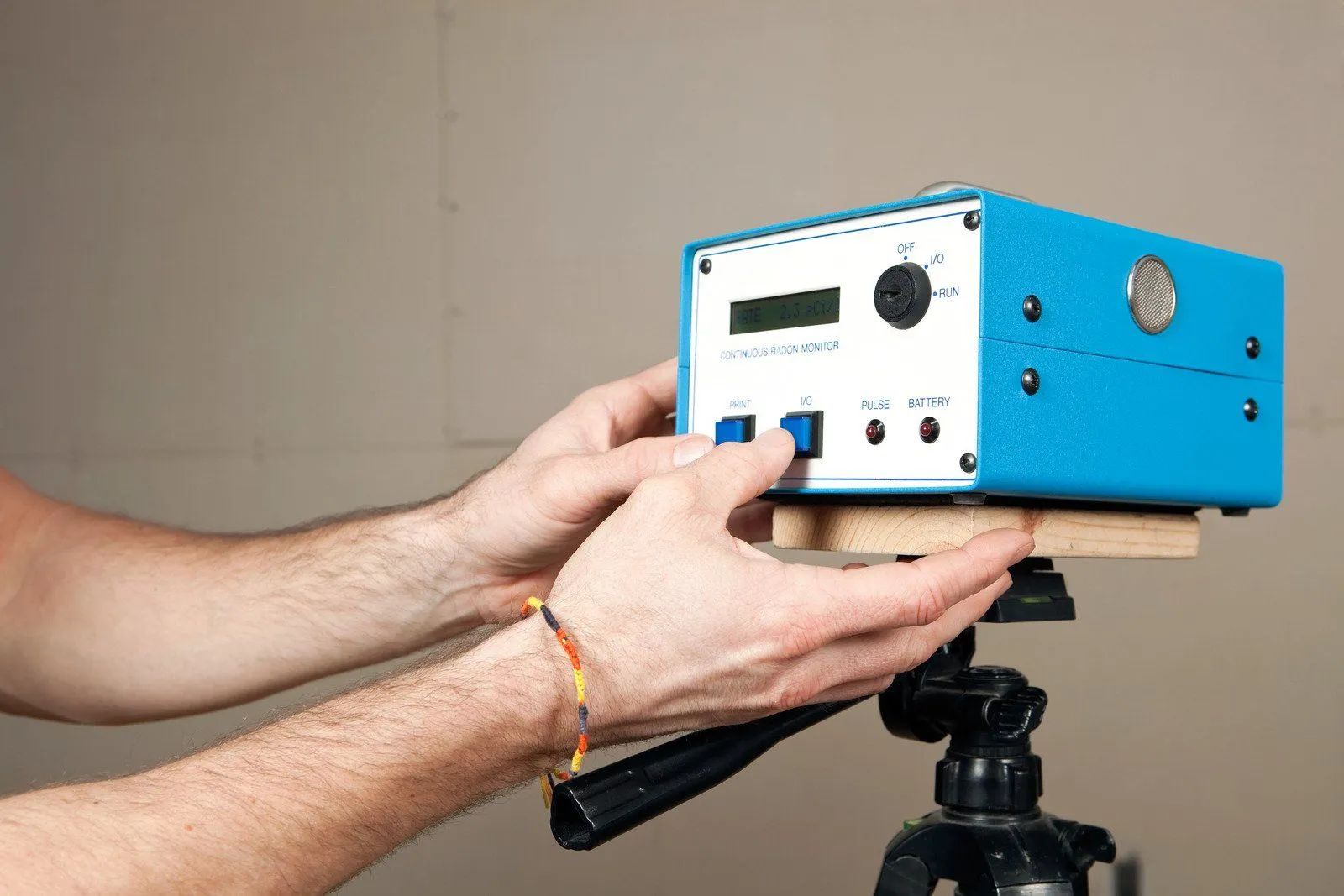
Short-term radon tests are one of the most common methods used during home purchases and initial screenings. These tests typically remain in place for two to seven days and measure indoor radon concentrations during that period. Activated charcoal kits, electronic monitors, and continuous radon monitors are frequently used for short-term evaluations.
Testing devices are usually placed in the lowest livable area of the home, away from windows, doors, kitchens, bathrooms, and high-humidity locations. Maintaining closed-house conditions during testing helps ensure accurate readings.
Short-term tests are popular because they provide fast results and help homeowners determine whether additional investigation is needed. Real estate transactions often rely on these tests due to time-sensitive closing schedules.
Long-Term Radon Monitoring
Long-term testing provides a more comprehensive understanding of average annual radon exposure. These tests generally remain in place for more than 90 days and account for seasonal fluctuations, weather conditions, and ventilation changes.
Radon levels can vary significantly throughout the year. Winter conditions often produce higher readings because homes remain closed and heating systems increase indoor pressure differences. Storm activity, rainfall, humidity, and groundwater movement may also influence readings in Eastern North Carolina.
For homeowners planning long-term occupancy, long-duration testing often provides a clearer representation of actual exposure conditions compared to a brief short-term sample.
Professional Testing Versus DIY Kits
Homeowners can purchase do-it-yourself radon kits, but professional testing offers several advantages regarding accuracy, placement, reporting, and interpretation. Certified inspectors use calibrated equipment designed to meet industry standards and minimize testing errors.
Professional testing may also help identify contributing structural issues such as excessive crawl space moisture, poor sealing conditions, foundation openings, or ventilation deficiencies. In many real estate transactions, buyers prefer professional testing because results are documented according to recognized standards.
In situations where initial results appear borderline or inconsistent, follow-up testing by a qualified professional often helps clarify whether mitigation is necessary.
Signs That a Property May Need Radon Evaluation
Real Estate Transactions and Inspection Periods
One of the most common times homeowners test for radon is during the sale or purchase of a property. Buyers increasingly request radon testing as part of the inspection process because indoor air quality concerns may affect long-term health and future resale value.
Homes with crawl spaces, slab foundations, unfinished lower levels, or limited ventilation are frequently prioritized for testing. Even properties with no history of radon concerns should still be evaluated because gas levels can change over time due to soil movement, renovations, drainage changes, or foundation settling.
Sellers who conduct pre-listing radon testing often position themselves more favorably during negotiations by addressing concerns before they become obstacles during closing.
Renovations and Structural Changes
Home remodeling projects may unintentionally alter airflow patterns and increase radon accumulation. Installing new insulation, sealing crawl spaces, replacing windows, or improving energy efficiency can reduce natural air exchange rates.
Finished lower levels and converted crawl spaces may also increase occupancy in areas where radon concentrations tend to be highest. Whenever major structural or ventilation modifications occur, radon retesting is recommended.
For example, a homeowner converting a crawl space into conditioned storage may unknowingly trap gases that previously dissipated through passive ventilation openings. Similar situations occur when homeowners encapsulate crawl spaces without evaluating indoor air conditions first.
Dedicated Home Inspection Professionals Protecting Your Investment
Radon remains one of the most overlooked indoor environmental concerns affecting residential properties throughout Eastern North Carolina. Although many homeowners associate radon with mountainous regions, coastal and inland homes across the state can still develop elevated indoor concentrations depending on soil conditions, foundation design, ventilation patterns, and structural integrity. Because radon exposure occurs silently over long periods, testing remains the only reliable way to determine whether a property contains unsafe levels. Understanding how radon enters homes, how testing works, and when mitigation becomes necessary allows homeowners to make informed decisions that support both long-term health and property value.
At
Brad Inspects, we understand how important accurate home inspections and indoor environmental evaluations are for homeowners throughout Jacksonville, North Carolina and surrounding communities. With 10
years of industry experience in the home inspection field, we provide detailed insight that helps buyers, sellers, and property owners better understand potential concerns affecting residential properties. Our inspections focus on delivering clear information, professional guidance, and dependable reporting so clients can move forward with confidence. Whether evaluating crawl space conditions, structural concerns, ventilation systems, or radon-related risks, we prioritize thorough inspections that support safer and more informed homeownership decisions. When homeowners need trusted experience connected to Eastern North Carolina housing conditions, we remain committed to providing reliable inspection services backed by industry knowledge and attention to detail.