Pre-Drywall Inspections: Why New Construction in Jacksonville Still Needs One

June 23, 2026

You picked the lot, watched the slab get poured, and drove past every weekend to see the framing go up. Now the builder tells you drywall starts Monday. That timeline feels exciting until you realize you have never actually looked behind those open walls, and once the drywall goes on, you never will again.


Here is the part most buyers in growing Jacksonville neighborhoods do not hear: a brand new home can still carry real framing and rough in mistakes. Crews move fast, subcontractors hand off to each other, and the person signing off at each stage is usually looking for the basics, not the quality of every connection. The one chance you get to see studs, joists, wiring, ducts, and pipes in the open is the few days before insulation and drywall cover all of it. That window is short. Miss it and any hidden defect becomes a problem you chase later, often after you have already moved in. A pre drywall inspection is the only walk that catches these issues while the bones are still exposed, and the findings surprise even careful buyers.

Why a New Home Still Needs a Second Set of Eyes

Speed is the reason. A builder running several homes at once keeps crews moving from one house to the next, and the handoffs between framing, plumbing, electrical, and HVAC crews leave gaps. Nobody on site is paid to slow down and study every joist hanger. The sign off each stage gets confirms the basics and clears the next phase. It does not grade the workmanship.


In the newer neighborhoods filling in around Jacksonville, that pressure runs higher, not lower. The same crews are stretched across street after street of homes going up at once, and a tired framer on his fourth house of the day misses things he would never miss on his first.


That gap is where we come in. After inspecting hundreds of frames, we can tell you the same handful of misses show up again and again, and almost none of them are obvious from the curb. The house looks finished from the outside long before the bones are right on the inside.

When You Cannot Be There to Watch the Build

A lot of buyers around here are moving in for a posting at Camp Lejeune or New River, and the house is going up while you are still stationed somewhere else or out on deployment. You cannot drive past on a Saturday to see the framing. You cannot catch the crew before a wall gets closed. By the time you arrive and unpack, the drywall has been up for weeks and whatever happened behind it is sealed for good.


That distance is exactly why an independent walk matters more for relocating buyers than for anyone else. We become the set of eyes you cannot be. We show up during the open window, photograph every connection, and send you a report you can read from a thousand miles away, so the build does not run on trust alone.

What We Find Behind the Open Walls

Framing problems top the list. Studs notched or drilled too deep to make room for a pipe lose the strength to carry load, and a stud cut more than halfway through is no longer doing its job. We find joist hangers missing nails, trusses cut or modified on site to fit a duct, and fire blocking left out of wall cavities. None of that shows once the drywall is up.


Then come the rough in misses. Drain lines that run flat instead of sloping toward the main will drain slow for the life of the house. Wires and pipes that pass through a stud near the face need a metal nail plate to stop a future drywall screw or trim nail from punching through, and those plates go missing constantly. Bath fans get vented into the attic instead of through the roof. Flex ducts sit crushed or left disconnected behind a wall. We see each of these on frames that already cleared their stage checks.


One more group of misses lives at the openings. Windows and doors set without proper flashing let water track behind the trim later, and a weather barrier stapled loose or left short at a seam invites the same. We also check for the solid backing a heavy towel bar, railing, or wall mounted vanity needs, since blocking left out of the wall now means a fixture that pulls loose down the road.

How the Coast Turns Small Misses Into Big Ones

Humidity is the multiplier here. When a bath fan dumps warm wet air into a sealed attic instead of outside, that moisture has nowhere to go, and in our climate it feeds mold and rots sheathing within a couple of seasons. A gap in the house wrap or a poorly flashed window lets wind driven rain into the wall, and on the coast we get plenty of both.


Wind is the other one. Homes this close to the water need solid connections tying the roof trusses down to the walls, the metal straps and clips that hold a roof on when a storm picks up. We find these straps under nailed or skipped entirely, and you cannot see a single one after drywall and siding go on.


Salt air adds one more wrinkle. The damp, briny breeze off the water works on any exposed metal connector that was not the right grade for the job, and a strap that starts rusting inside a wall only gets weaker with every storm season. Termites round it out. Wood framing set too close to grade gives subterranean termites an easy path up, a real concern across the sandy soils around Jacksonville.

When a Pre Drywall Inspection Has to Happen

The timing matters more than anything else. Once insulation and drywall go in, the only way to check a buried connection is to cut the wall open. That open window usually lasts two or three days, no more, because builders schedule insulation fast and keep the line moving.

TIP: Ask your builder for the rough in completion date the moment you go under contract, then book the walk for the short gap after rough ins finish and before insulation arrives. That is the only stretch when the frame is fully exposed, so locking the date early keeps you from missing it.

Booking the walk during that window only takes a phone call to coordinate, and it puts every finding in front of the builder while the fix is still easy.

What This Inspection Actually Gets You

It hands you the upper hand. A defect found while the walls are open is the builder's problem to fix on the spot, with the framing exposed and the crews still on site. The same defect found a year after closing becomes your wall to open and your repair to manage. We hand you a written report with photos of every finding, so you walk into the builder conversation with specifics instead of a vague worry. Most issues we flag get corrected within days, because the fix is simple while the frame is bare.


And the report does not expire when the walls close. Years later, if a question ever comes up about how the home was built, you still have photos of the framing, the connections, and the rough ins on file. That is something almost no buyer of a finished home ever gets to keep.

Frequently Asked Questions

  • When should a pre drywall inspection happen?

    Right after the plumbing, electrical, and HVAC rough ins finish and before insulation goes in. That window usually lasts only a few days, so confirm the date with your builder early and book the walk as soon as rough ins clear.

  • Will the builder let me bring my own inspector?

    Yes. You have every right to hire an independent inspector for a home you are buying, even on new construction. A solid builder welcomes a second look, since catching a framing miss now is far easier than fixing it after you move in.

  • Does a new home really need this if it already passed inspection?

    The stage sign offs confirm the house meets the basics and clears the next phase. They do not grade workmanship. We routinely find missing nail plates, under nailed straps, and crushed ducts on frames that already passed, all of it hidden once drywall covers them.

  • What gets checked during the walk?

    We look at framing, joist hangers, trusses, fire blocking, nail plates, drain line slope, duct connections, wiring runs, bath fan venting, and the roof to wall straps that matter so much near the coast. Anything drywall would hide later gets attention now.

  • Why does the climate around Jacksonville make this more important?

    Humidity and wind driven rain turn small misses into mold, rot, and water intrusion fast here. Bath fans venting into the attic and weak roof straps are common finds, and both become real problems once drywall and siding seal them away.

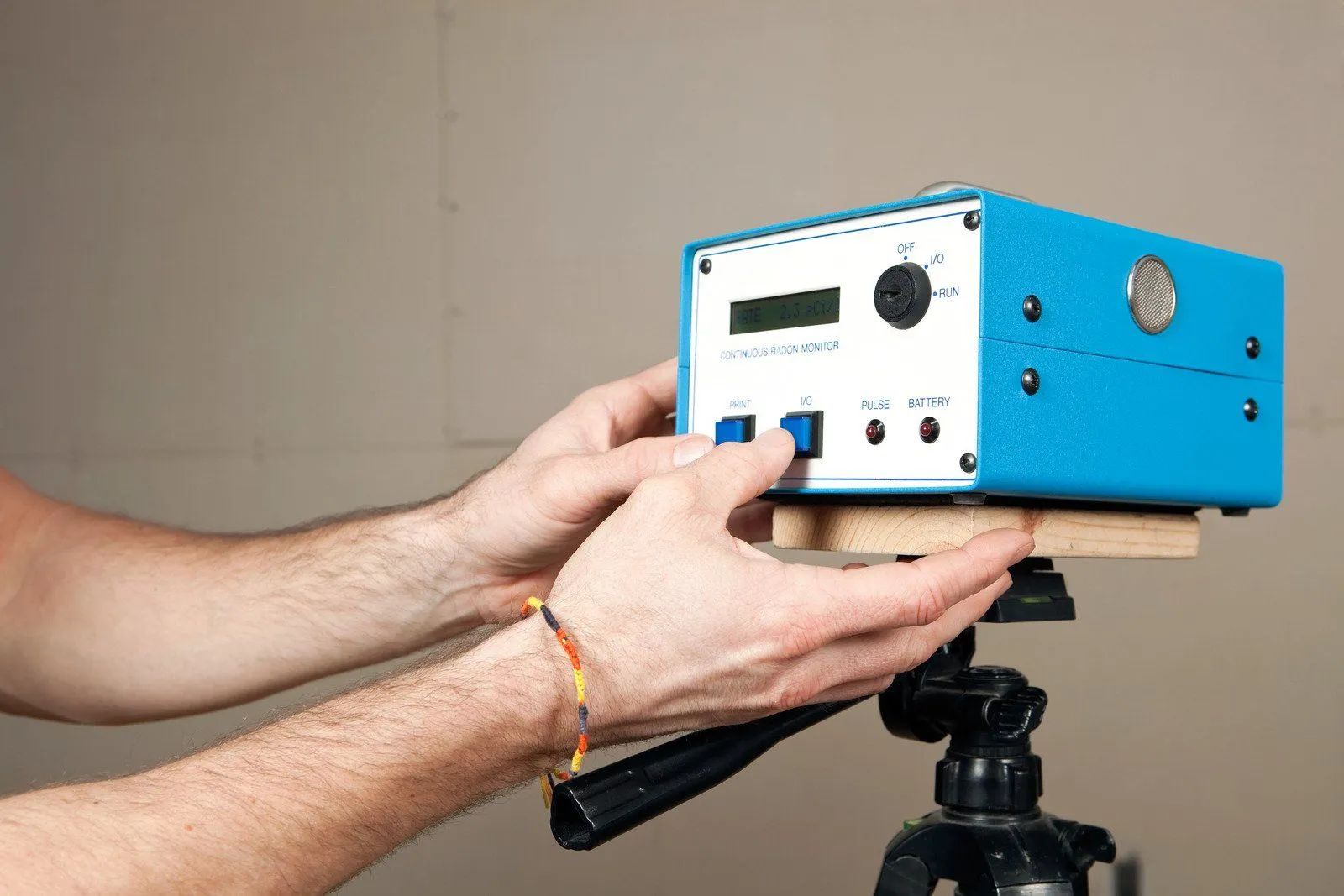
Hands adjusting a blue control box mounted on a tripod indoors
May 31, 2026
Radon is an invisible and odorless radioactive gas that enters homes through soil, foundation gaps, crawl spaces, and structural openings. Because it cannot be detected without testing, many homeowners remain unaware of the risks associated with elevated radon exposure.
A person uses a telescopic inspection mirror to check behind an object against a white wall in a room with carpet.
April 3, 2026
Coastal North Carolina is a region of natural beauty, vibrant communities, and unique architectural styles. However, it also presents homeowners and prospective buyers with environmental challenges that can compromise the integrity of a property.
A person stands in a grassy yard, facing a two-story gray house, while operating a drone hovering in the clear blue sky.
March 31, 2026
Jacksonville, North Carolina, is a vibrant coastal city with a housing market that draws a mix of military families, retirees, and long-term residents. With its proximity to the Atlantic and its humid subtropical climate,
Hands adjusting a blue control box mounted on a tripod indoors
May 31, 2026
Radon is an invisible and odorless radioactive gas that enters homes through soil, foundation gaps, crawl spaces, and structural openings. Because it cannot be detected without testing, many homeowners remain unaware of the risks associated with elevated radon exposure.
A person uses a telescopic inspection mirror to check behind an object against a white wall in a room with carpet.
April 3, 2026
Coastal North Carolina is a region of natural beauty, vibrant communities, and unique architectural styles. However, it also presents homeowners and prospective buyers with environmental challenges that can compromise the integrity of a property.
A person stands in a grassy yard, facing a two-story gray house, while operating a drone hovering in the clear blue sky.
March 31, 2026
Jacksonville, North Carolina, is a vibrant coastal city with a housing market that draws a mix of military families, retirees, and long-term residents. With its proximity to the Atlantic and its humid subtropical climate,