How Hurricanes and Coastal Storms Impact Home Foundations & Roofing
July 18, 2026

Quick Answer: Hurricanes and coastal storms hit two parts of a home hardest: the roof and the foundation. High winds lift and crease shingles, tear flashing, and drive rain into the roof deck, while storm surge, flooding, and saturated soil scour footings, flood crawlspaces, and shift or crack foundations. Most of this damage is not obvious from the curb. After a major storm, inspectors most commonly find loosened or missing shingles, damaged flashing, water stains in the attic, crawlspace flooding and moisture, soil erosion around footings, and hidden leaks that only show up with moisture readings or thermal imaging. A post-storm inspection catches these while they are still repairable.
If you own, buy, or sell homes in eastern North Carolina, you already know the calendar. Hurricane season runs June through November, and every few years a big one reminds the whole region what wind and water can do. The trouble is that the worst storm damage rarely looks dramatic afterward. The house is still standing, the power is back, and from the street everything seems fine. Then a ceiling stain shows up in October, or a crawlspace that flooded in September quietly rots a floor joist over the winter. Storms damage homes in slow, hidden ways, and the roof and the foundation take the hardest hits.
This is a look at what coastal storms actually do to those two systems, and the damage inspectors around here see over and over once the water recedes.
The Weather Coastal Carolina Homes Live With
Homes in Jacksonville, Wilmington, and the beach towns along this stretch of coast face a specific mix of forces, and each one works on a house differently. Understanding them makes the damage that follows a lot easier to read.
Wind
Tropical systems bring sustained wind and harder gusts that pull at everything on the outside of a house. Roofs catch the worst of it, because wind moving over a roof creates lift that works at the edges and corners first.
Storm surge and flooding
Along the coast and the rivers that feed into it, surge and heavy rain push water where it does not belong. Hurricane Florence dumped historic rainfall on this region and flooded homes that had never taken on water before, and that kind of flooding goes straight for the foundation and the crawlspace.
Wind-driven rain
A coastal storm does not drop rain straight down. It throws it sideways at 40 or 50 miles an hour, which forces water past shingles, under siding, and through gaps that shed a normal rain with no problem.
Humidity and salt air
Even between storms, the coastal climate keeps everything damp and salty. That constant moisture means any opening a storm creates gets exploited fast, and metal components corrode quicker than they would inland.
How Storms Damage Roofing
The roof is a home's first defense against a storm, and it absorbs the most punishment. Some of the damage is visible from the yard. A lot of it is not.
Lifted and creased shingles
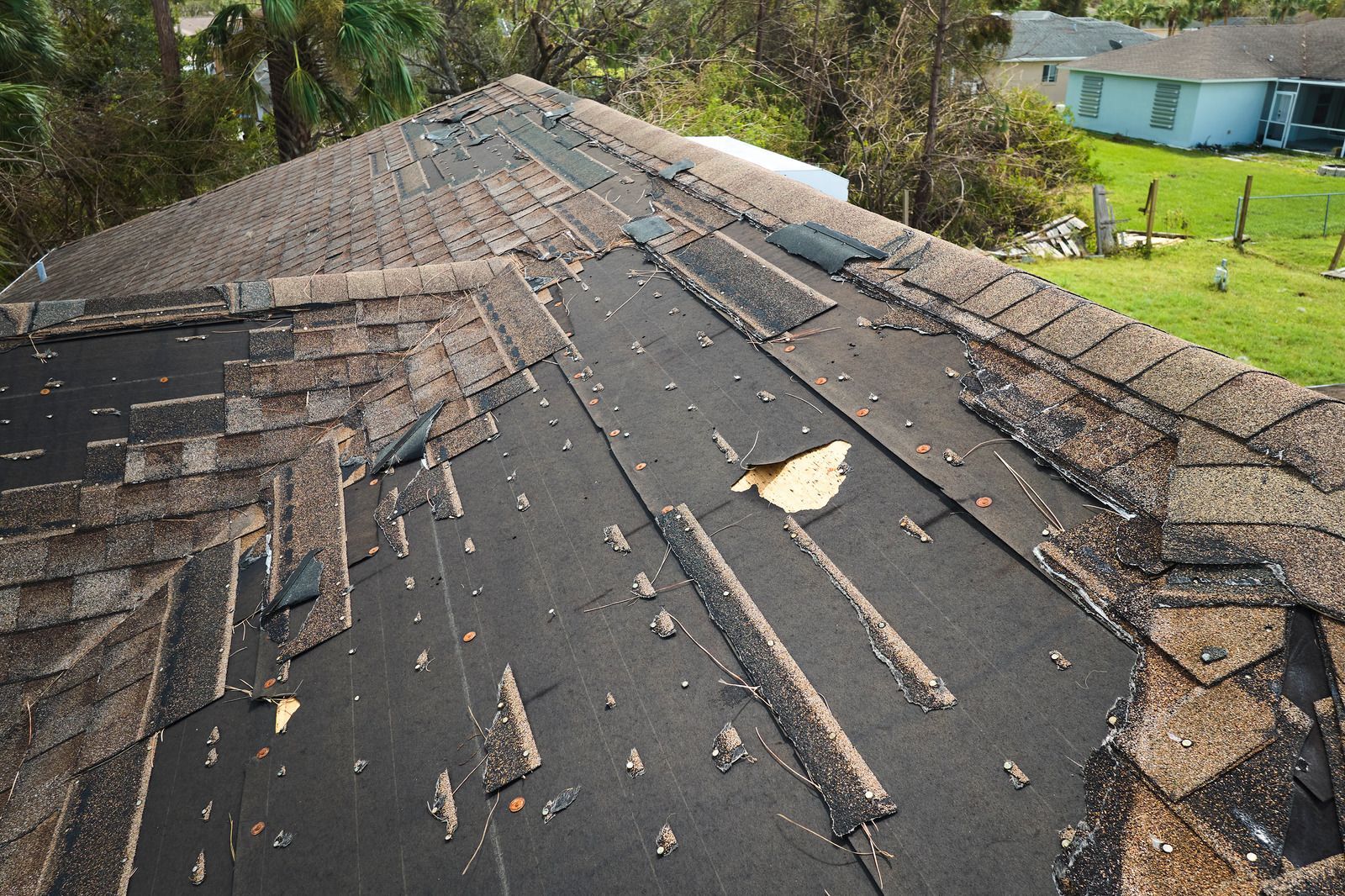
High wind catches the edge of a shingle and peels it up, breaking the sealant bond underneath. Even when a shingle does not blow off, the wind can leave it creased, and a creased shingle has lost its ability to shed water properly. From the ground it can look untouched.
Missing shingles and impact damage
Stronger gusts and flying debris tear shingles off entirely or crack them on impact. Wherever a shingle is gone, the underlayment and deck below it are exposed and start deteriorating with the next rain.
Damaged flashing
The metal flashing around chimneys, vents, and roof-wall joints loosens or bends in high wind. Flashing is one of the most common entry points for water, and damage to it is hard to spot without getting close.
Granule loss
Wind-blown grit and hail knock the protective granules off the shingle surface. You often cannot see it looking up, but it collects in the gutters and on the ground below the eaves, and the bare spots it leaves behind age the shingle fast.
Gutters and wind-driven rain
Storms bend gutters, pull them loose, and pack them with debris, which lets water back up under the roof edge. Meanwhile the sideways rain finds any opening the wind created and pushes moisture into the roof deck, where it leads to rot and sagging over time.
TIP: After a storm, do a safe check from the ground before anyone climbs anything. Walk the perimeter and look for shingle pieces in the yard, a pile of granules under the downspouts, and any shingle that looks lifted, dark, or out of line. Those ground-level clues tell an inspector where to look closer.
How Storms Damage Foundations
Foundation damage is quieter than roof damage and often shows up months later, which is exactly why it gets missed. Water is the culprit almost every time.
Crawlspace flooding
Most homes in this region sit on a crawlspace, and a crawlspace is a bowl waiting to catch floodwater. When surge or heavy rain fills it, the water sits against wood framing, insulation, and ductwork long after the yard has drained. Prolonged dampness down there leads to wood rot in the sill plate and joists, ruined insulation, and mold growth on the framing.
Soil erosion and scour
Fast-moving water pulls soil out from around footings and pier supports. When the ground that was holding a footing washes away, that part of the foundation loses its support, and the structure above it can begin to settle unevenly.
Hydrostatic pressure and movement
Saturated soil pushes hard against foundation walls, and the wet-then-dry cycle after a flood makes the ground swell and shrink. That movement shows up as new cracks, doors and windows that suddenly stick, and sloping floors.
Moisture that lingers
Even without full flooding, a coastal storm drives so much water into the ground and the crawlspace that moisture readings stay high for weeks. That lingering dampness is what turns a wet crawlspace into a rot and mold problem, and it is the kind of thing a mold or moisture specialist should evaluate and address.
What Inspectors Commonly See After a Major Storm
Once the storm passes, the same findings turn up again and again on inspections across the area. Knowing the pattern is half the job.
Water stains in the attic and on ceilings
The clearest sign of a compromised roof is moisture inside. Inspectors check the attic for dark streaks on the underside of the decking, wet or matted insulation, and daylight showing through the roof, then trace stains on ceilings and walls back to the entry point.
Loose nails and lifted shingle courses
Up close, a storm-stressed roof shows raised nail heads and rows of shingles that lost their seal. These are the spots one more storm could turn into an open leak, so an inspector flags them before they fail.
Crawlspace moisture and standing water
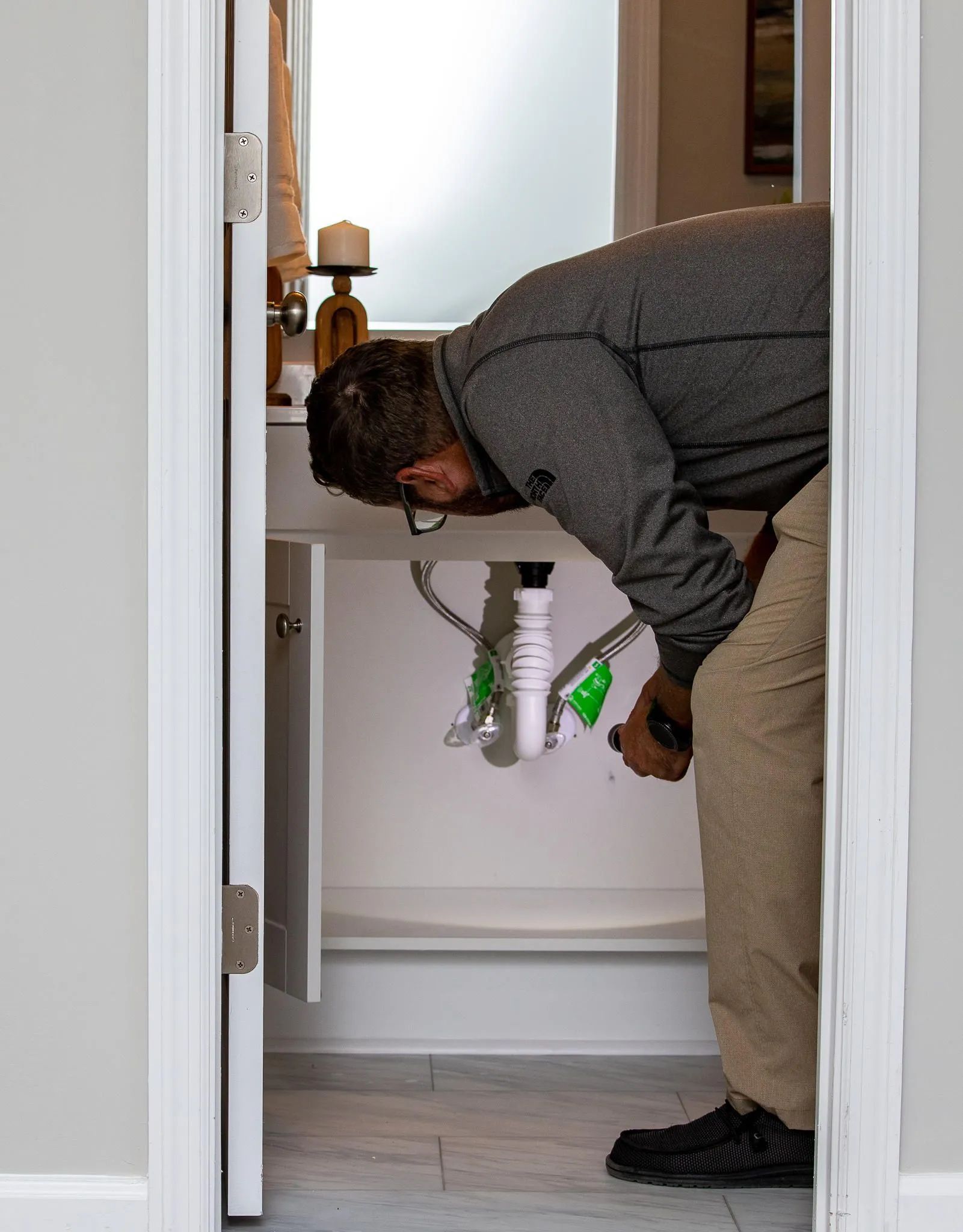
Under the house, inspectors look for high-water marks, damp or displaced vapor barrier, wet insulation, and soft or discolored framing. All of it points to how much water got in and how long it stayed.
Hidden moisture the eye misses
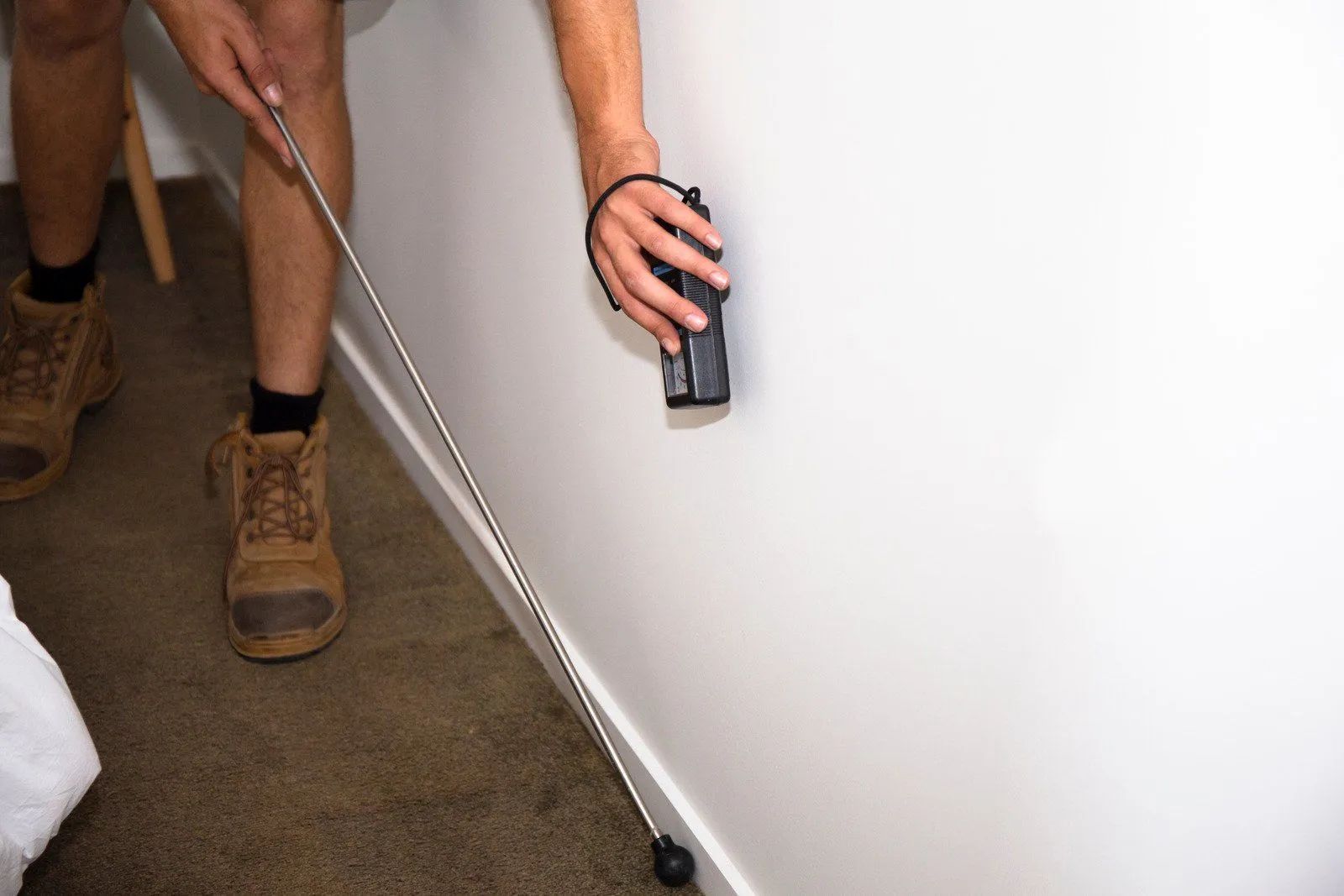
A lot of storm damage does not announce itself. This is where thermal imaging earns its keep, reading temperature differences behind walls and under floors to reveal moisture that a visual look would walk right past. Pairing infrared with moisture readings finds the wet spots that lead to rot and mold before they become visible damage.
Warning: Never climb onto a storm-damaged roof or into a flooded crawlspace to check it yourself. Wet, wind-loosened decking can give way, and a foundation or roof that took storm stress may not be as stable as it looks. Storm damage also hides in places an untrained eye skips entirely, so a professional inspection is the safe and thorough way to know what a storm actually did.
Frequently Asked Questions
How soon after a storm should I have a home inspected?
As soon as it's safe. The faster damage is found, the less time water has to rot the roof deck or crawlspace. A prompt inspection also records the home's condition right after the event.
Can storm damage really be invisible from the ground?
Yes, and that's the main risk. A creased shingle, loosened flashing, or a crawlspace that flooded and drained leaves a house looking normal, until damage announces itself later as a leak or musty smell.
What foundation problems do storms cause in this area?
The big ones are crawlspace flooding, soil erosion around footings and piers, and movement from saturated soil. Water under the house rots framing, while shifting soil causes uneven settling, new cracks, and sloping floors above.
Does an inspection detect hidden water damage after a storm?
A thorough one does. Beyond a visual check, inspectors use moisture readings and thermal imaging to find water trapped behind walls, under floors, and in insulation, revealing wet areas a visual inspection alone would miss.
I found mold in my crawlspace after flooding. What should I do?
Treat it as a moisture problem first. An inspection documents where moisture sits and how far it spread, then a remediation specialist handles removal. Fixing the water source keeps the mold from coming back.
Is a roof always damaged after a hurricane?
Not always, but you can't assume it's fine. A roof that kept every shingle can still have broken seals, lifted edges, or damaged flashing. The only way to know is a close inspection.
Knowing What the Storm Left Behind
Schedule a post-storm home inspection so you know exactly what a hurricane or coastal storm left behind. Whether you're buying, selling, or staying put, the roof and foundation are too important to guess about. Brad Inspects
checks the roof, flashing, attic, crawlspace, and foundation for the
storm damage
this region sees most, using moisture readings and thermal imaging to catch the hidden water that leads to rot and mold. With 10
years of experience inspecting homes in and around Jacksonville, North Carolina, Brad Inspects
gives buyers, sellers, and agents a clear picture of a home's real condition. Reach out to us to schedule your inspection with confidence.