Do You Need a Termite Inspection in Coastal North Carolina?
April 3, 2026
Coastal North Carolina is a region of natural beauty, vibrant communities, and unique architectural styles. However, it also presents homeowners and prospective buyers with environmental challenges that can compromise the integrity of a property. One of the most significant threats in this area comes from termites. Subterranean termites, in particular, thrive in warm, humid climates, making Onslow County and surrounding coastal regions especially susceptible. For anyone planning to purchase or maintain a home here, understanding the risk of termite damage is not just a precaution—it is a necessity.
Termite infestations often develop silently, going unnoticed until significant structural damage occurs. The humid climate, frequent rainfall, and proximity to water create ideal conditions for termite activity. Homes with wooden structures, crawl spaces, or poor moisture control are especially vulnerable. For buyers, skipping a termite inspection could lead to costly repairs and potential disputes during the home buying process. This blog explores why termite inspections are crucial in coastal North Carolina, the factors that increase infestation risks, and what buyers should consider before closing on a property. By understanding these elements, homeowners can make informed decisions that protect both their investment and the safety of their home.
Why Coastal North Carolina Homes Are at Risk
The Impact of Humidity on Termite Activity
The humid climate of Onslow County creates a perfect environment for termites. Termites require moisture to survive, and high humidity levels accelerate their reproductive cycles. Wooden structures, especially in older homes, are often porous and absorb moisture from the air. This provides termites with both the habitat and the food source necessary to thrive. Additionally, areas near rivers, ponds, and marshlands are particularly at risk due to consistent ground moisture.
Humidity does more than just attract termites; it also increases the likelihood of mold and mildew growth. Both mold and termites often coexist because decaying wood provides an ideal breeding ground. Buyers should be aware that the presence of moisture-related damage may signal hidden termite activity, which standard visual inspections may overlook without specialized tools.
Termite Species Common in Coastal North Carolina
Several termite species are prevalent in this region. Subterranean termites are the most common and pose the greatest threat. They live underground and create extensive tunnel systems, often entering homes through tiny cracks in foundations or around plumbing. Drywood termites, while less common, infest wooden structures above ground and can silently damage furniture, cabinetry, and framing.
Knowing which species is likely to inhabit a property helps determine the type of inspection and treatment required. Professional inspections can identify species early, allowing targeted treatments that prevent widespread damage and costly repairs.
Signs of Termite Infestation Buyers Should Watch For
Visible Damage and Structural Indicators
Certain physical signs indicate a termite presence. These include hollow-sounding wood, sagging floors, or small holes in wood surfaces that may appear minor initially but can worsen quickly if ignored. Subterranean termites often leave mud tubes along foundation walls or crawl spaces, which act as protective tunnels for colony movement and hidden activity. Drywood termites, on the other hand, may leave tiny, sand-like droppings called frass near wooden structures, sometimes in clusters around infested areas, which indicate active infestation. Inspecting exterior wood structures, window and door frames, and decks carefully can reveal early indicators of infestation that homeowners might otherwise overlook..
Unusual Pest Activity
While termites rarely appear above ground, swarming events can signal active colonies in or around the property, which is often an early warning sign of infestation. These swarms typically occur during warm, humid months, often following rain or sudden temperature changes that trigger reproductive behavior among the colony. Seeing winged insects around a property, particularly near light sources or windows, warrants immediate investigation to prevent unnoticed infestation before it spreads further.
The Importance of Pre-Closing Termite Inspections
Protecting Investment Value
Termite damage can be expensive and extremely difficult to repair, particularly if it affects structural elements like beams, joists, or load-bearing walls that ensure the home’s stability and safety. Conducting a termite inspection before closing ensures that buyers fully understand the condition of the home and can negotiate necessary repairs or treatment as needed. This step protects the financial investment and prevents unforeseen, potentially major expenses that could arise shortly after moving in or during initial occupancy.
Legal and Transactional Considerations
In North Carolina, homebuyers often request a Wood-Destroying Insect (WDI) inspection as part of the formal purchase process and legal documentation required by lenders or real estate contracts. Lenders may require proof of inspection before approving a mortgage, especially for homes in high-risk coastal areas where termite activity is common and documented. A thorough inspection ensures transparency, protects all parties involved, and establishes a legally supported understanding of the property’s condition before finalizing the sale.
Addressing Hidden Risk Areas
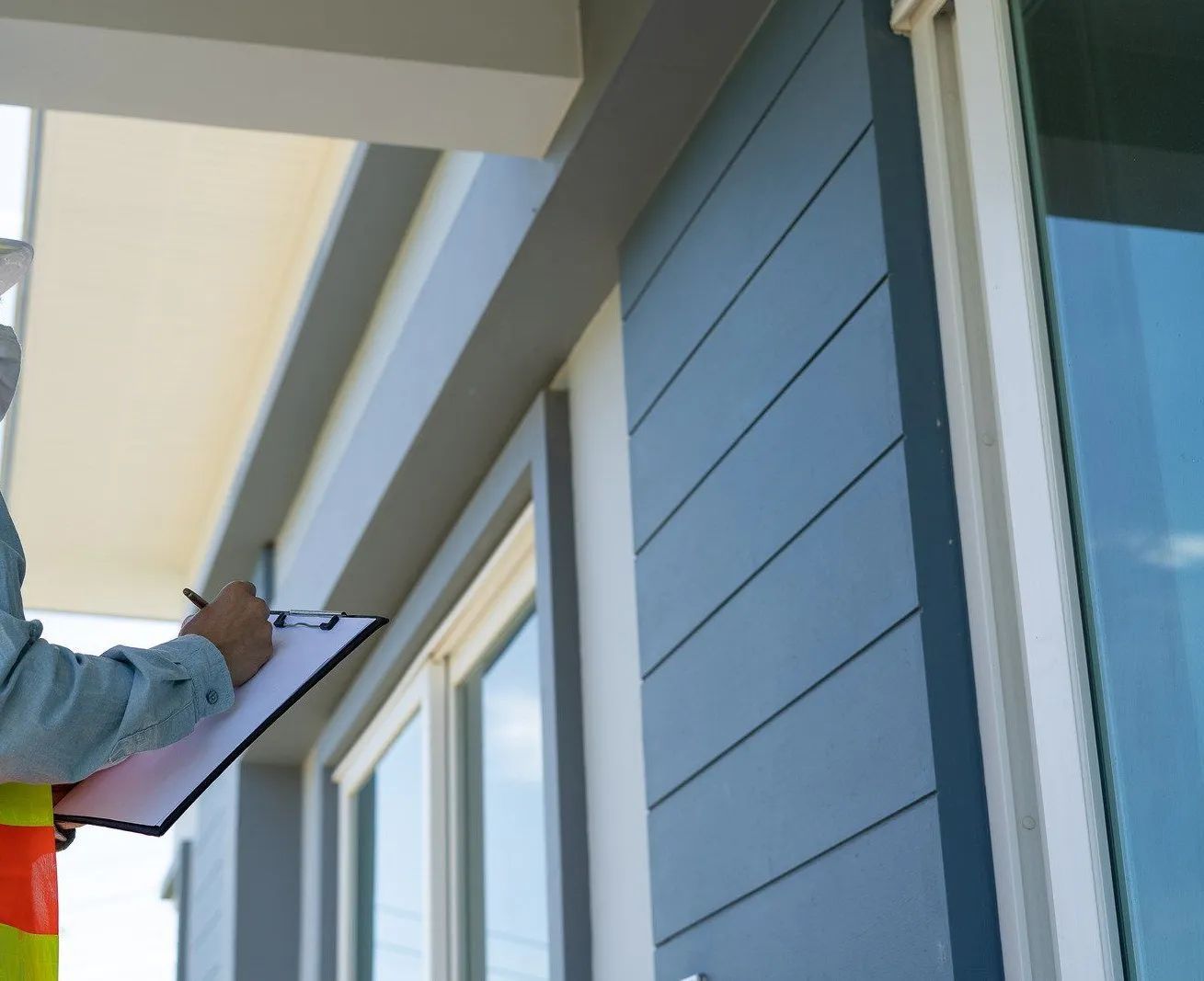
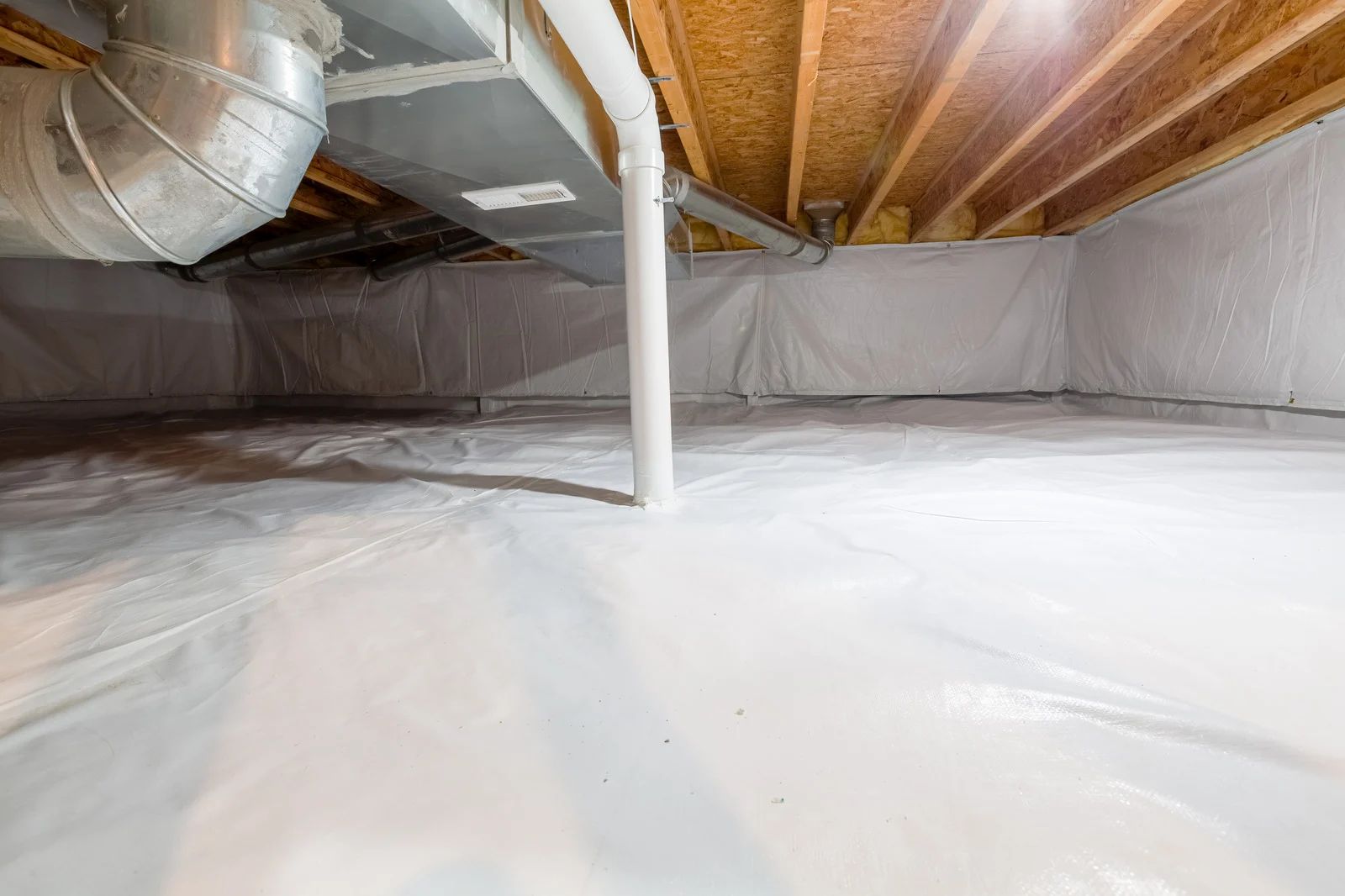
Professional termite inspections are not limited to visible surfaces and obvious structural woodwork. Inspectors carefully evaluate crawl spaces, basements, attics, and exterior wood structures, identifying potential entry points, wood rot, and moisture issues that promote termite activity. By targeting these hidden risk areas, inspections provide a comprehensive assessment of the property’s vulnerability to infestation, uncovering problems that might otherwise go unnoticed. This level of detail ensures that buyers are aware of every potential threat before purchase, reducing future surprises, unexpected repairs, and maintenance costs significantly.
Preventative Measures and Maintenance
Moisture Control
Controlling moisture is the most effective long-term strategy to deter termite infestations in coastal North Carolina homes, particularly in humid regions like Onslow County. Homes with proper ventilation, well-sealed foundations, and functioning gutters significantly reduce the likelihood of termites establishing colonies within walls or crawl spaces. Ensuring crawl spaces remain dry, fixing leaks promptly, and using moisture barriers are practical steps homeowners can take to protect their investment from structural damage. Consistently maintaining these measures also prevents secondary issues such as mold growth and wood rot, which often accompany termite activity in vulnerable areas.
Landscaping Considerations
Landscaping practices can also impact termite risk significantly and should not be overlooked during property evaluation. Keeping mulch away from foundation walls, trimming plants that touch the house, and avoiding excessive wood debris near structures limit the opportunities for termites to access a property easily. Buyers should assess the landscape carefully during home viewings to identify potential risk factors that could compromise the property in the future. Proper landscaping not only enhances curb appeal but also plays a critical role in long-term termite prevention strategies for any coastal home.
Regular Inspections
Even after a home purchase, annual termite inspections are strongly recommended in coastal North Carolina due to the persistent risk from humidity and surrounding vegetation. Preventative monitoring allows early detection of infestations, reducing repair costs and minimizing structural damage over time. Establishing a routine inspection schedule demonstrates diligence in property maintenance, increases homeowner confidence, and provides long-term protection against unexpected infestations. Professional follow-up inspections help maintain safe, sound homes while offering peace of mind for homeowners living in high-risk areas.
Treatment Options and Professional Expertise
Chemical and Non-Chemical Treatments
Various treatment methods exist depending on the type and extent of termite activity discovered during inspection, ensuring the most effective elimination. Liquid termiticides create a protective barrier in soil, preventing subterranean termites from entering structures, while baiting systems attract and eliminate colonies over time efficiently. For drywood termites, localized treatments or wood injections can eradicate infestations without extensive structural damage, preserving the home’s integrity and aesthetics. Selecting the most appropriate treatment ensures targeted, effective elimination while minimizing disruption to daily life and the surrounding environment.
Choosing the Right Professional
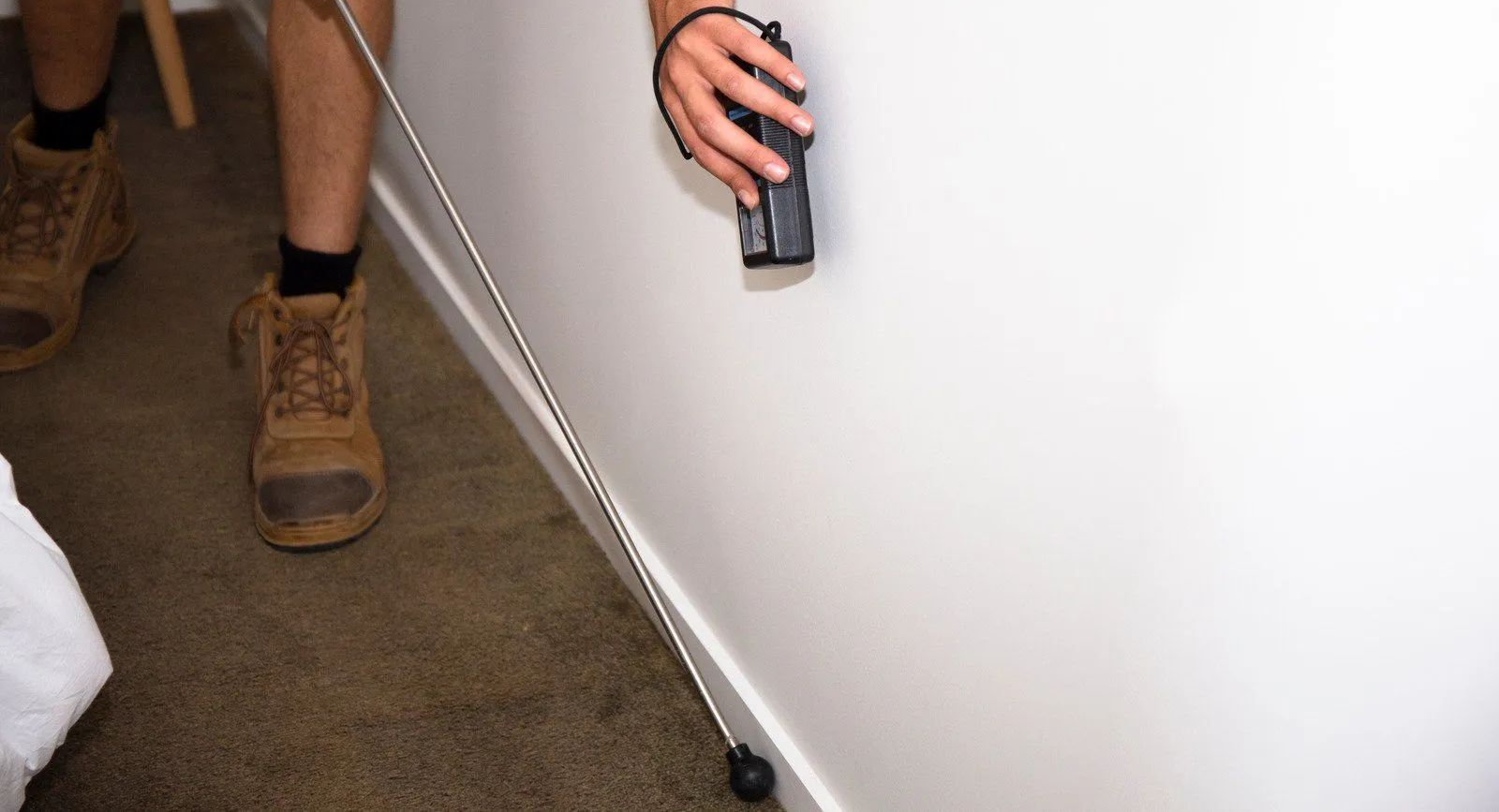
Expertise matters in termite prevention and eradication, ensuring the most effective outcomes for homeowners and buyers in high-risk regions. Professionals utilize specialized tools such as moisture meters, infrared cameras, and termite detection systems to uncover hidden infestations accurately. They also provide guidance on ongoing maintenance strategies, risk mitigation, and preventative measures, ensuring homeowners remain fully informed and prepared for potential future issues. Choosing a qualified professional ensures that inspections, treatments, and recommendations are reliable, comprehensive, and tailored to each home’s unique risks and structural characteristics.
Cost Considerations
Termite treatment costs vary depending on the method, infestation size, and specific property features, making it important to evaluate options carefully before committing. While some treatments may seem expensive upfront, they are far less costly than repairing extensive structural damage caused by untreated termite activity over time. Buyers should weigh the long-term benefits of professional inspections and treatments against the potential financial and structural risks of neglecting termite prevention. Investing in preventative measures provides both immediate protection and long-term savings, safeguarding the home’s value and integrity for years to come.
Local Trusted Authority on Termite Damage Prevention
Termite inspections in coastal North Carolina are not optional; they are essential for protecting property value, maintaining structural integrity, and ensuring a safe home environment. The region’s humid climate, abundant moisture, and proximity to water sources create ideal conditions for termite activity. Understanding the signs of infestation, conducting pre-closing inspections, and implementing preventative measures are critical steps for any homeowner or buyer in Onslow County.
At
Brad Inspects, expertise and experience guide every inspection. With 10
years in the home inspection industry in Jacksonville, North Carolina, our services prioritize thorough evaluations, accurate reporting, and actionable recommendations. We utilize advanced tools and proven methodologies to detect termite activity, assess risks, and provide guidance on treatment options. Buyers and homeowners can trust our insights to make informed decisions, safeguard their investments, and prevent costly damage. Choosing Brad Inspects
means partnering with a dedicated, knowledgeable authority committed to ensuring every home remains structurally sound and secure.