The Most Expensive Problems Found During Home Inspections (And How to Avoid Them)
November 6, 2026

Quick Answer: The findings that weigh heaviest on a home inspection report are the ones that are hard to reach, hard to repair, or tied to something larger underneath. They include foundation and structural movement, active water intrusion and the rot it leaves behind, wood destroying insect damage, roof systems at the end of their service life, electrical hazards inside panels and wiring, failing heating and cooling equipment, and drainage or septic problems on the lot. You avoid most of them by inspecting before you commit, asking the right follow up questions, bringing in the right specialist when a finding points beyond the inspector's scope, and keeping up simple maintenance once you own the home. Catching a problem while it is small is almost always easier than facing it after it spreads.
You have the inspection report in your hands, and it runs for dozens of pages. Most of it is routine: a loose handrail, a missing outlet cover, a dripping faucet, a gutter that needs reattaching. Then you reach a page with a photo of a stained joist, or a note about a crack in the foundation wall, and your stomach drops. Suddenly it feels as if the entire report is about that one finding.
That reaction makes sense. Home inspectors see the same pattern again and again: a long list of small items, and a short list of findings that are different in kind. This article walks through those few findings, the ones that are the most serious and the hardest to fix, so you know what they look like, why they matter, and what you can do to avoid them or catch them in time. If you are a buyer, a seller preparing to list, or an agent guiding a client through a contract, this is the short list worth understanding before report day.
Why a Few Findings Matter More Than the Rest
A good way to sort inspection findings is to ask three questions.
Is it hidden?
Problems behind walls, under floors, inside attics, and below the ground are harder to see and often further along by the time anyone notices.
Is it connected to other things?
A single water leak can lead to rot, mold growth, pest activity, and damaged finishes. A shifting foundation can show up as sticking doors, cracked drywall, and uneven floors.
Is the fix large or disruptive?
Some repairs mean a quick visit. Others mean opening walls, excavating, lifting, or replacing a major part of the house, and they usually require a licensed specialist.
The findings below score high on all three. They also happen to be the ones where early detection changes the outcome the most.
Foundation and Structural Movement
The foundation carries the entire house, so any sign that it is moving, settling unevenly, or losing support is taken seriously.
What Inspectors Look For
Inspectors examine wide or stair-step cracks, uneven foundation surfaces, sticking doors, sloping floors, wall-ceiling gaps, brick veneer damage, and crawlspace supports.
Why It Is Hard To Fix
Structural repairs may require engineers, excavation, and specialized crews to correct underlying causes like soil movement or inadequate support.
What Is Common And What Is Not
Fine hairline cracks often develop as concrete cures, but widening cracks or sloping floors warrant evaluation by a qualified structural engineer.
How To Avoid It
Maintain proper foundation grading, clean gutters regularly, and direct downspouts away from the house to prevent water accumulation and foundation damage.
Active Water Intrusion and the Damage It Leaves Behind
Water is the single most common thread running through the most serious findings. A roof leak, a plumbing leak, a window that lets rain in, or a damp crawlspace can each start small and quietly spread.
What Inspectors Look For
Inspectors check stains, bubbling paint, swollen trim, warped flooring, musty odors, damp insulation, and attic discoloration using moisture meters and thermal imaging.
Why It Is Hard To Fix
Visible stains may indicate deeper damage requiring source repairs, material replacement, thorough drying, and checks for hidden mold growth.
The Local Picture
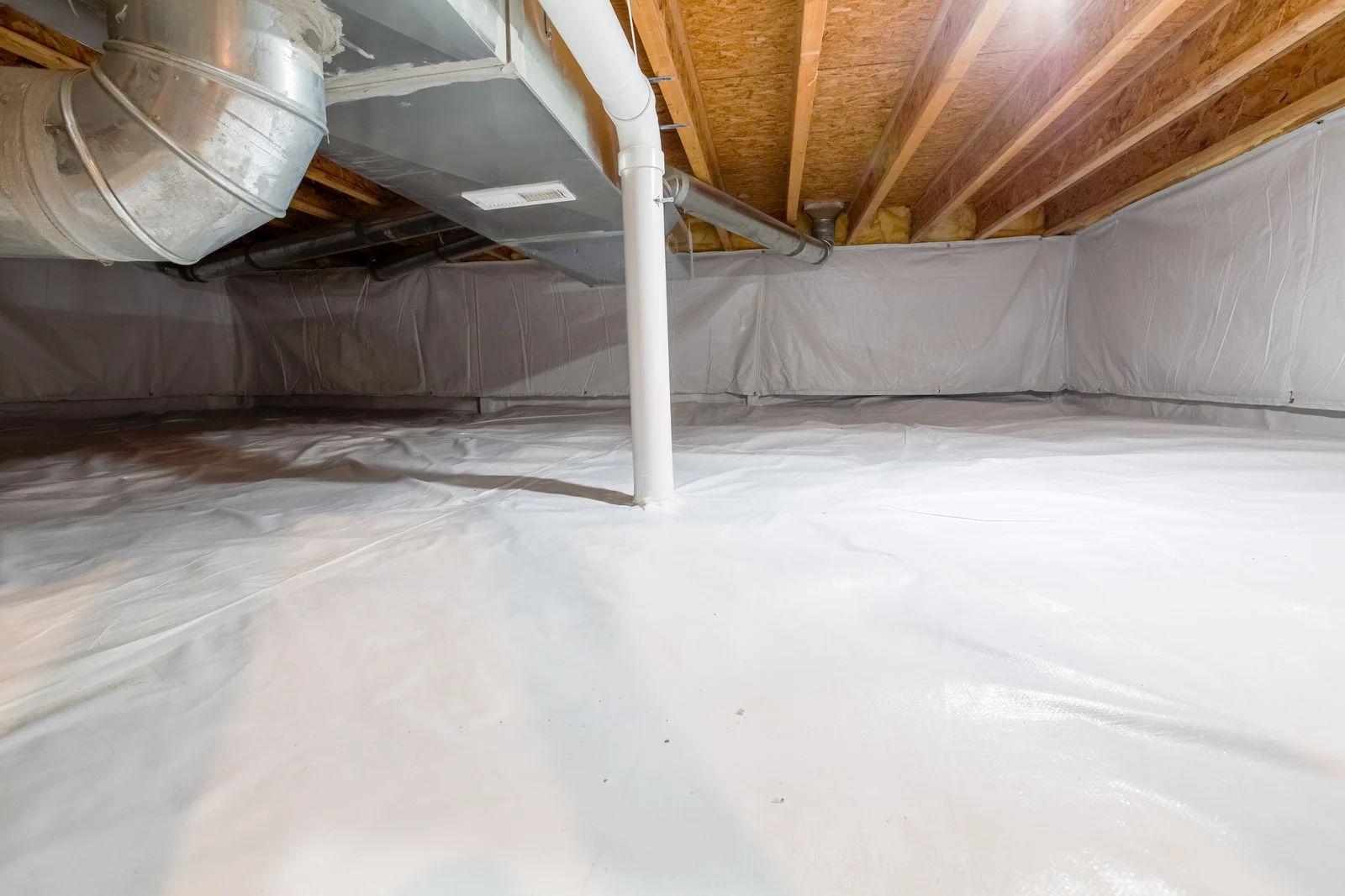
Coastal Southeastern North Carolina's humidity, heavy rainfall, and storms increase moisture risks, particularly in crawlspaces beneath homes.
How To Avoid It
Maintain roofing, flashing, window seals, plumbing, crawlspace barriers, and drainage. Consult moisture or mold specialists when inspections identify potential problems.
TIP: If a report mentions elevated moisture readings or a stain, ask the inspector whether it was active on inspection day. A dry stain from a past leak and a wet one from a current leak are very different findings, and the answer helps you decide what to do next.
Wood Destroying Insect Damage and Rot
Termites, carpenter ants, and other wood destroying insects feed on the wood that holds a house together, and moisture invites decay fungi that do similar harm. In our region, with warm temperatures and damp soil, this is a standing concern for every house with wood framing.
What Inspectors Look For
Inspectors check mud tubes, damaged wood, frass, shed wings, and weakened structural timber, especially around moisture-prone areas.
Why It Is Hard To Fix
Pest treatment stops insect activity, but damaged framing may require separate repairs or replacement in difficult-to-access spaces.
How To Avoid It
Keep wood and mulch away from foundations, control moisture, and arrange a qualified termite inspection before purchasing the property.
Roof Systems at the End of Their Service Life
A roof does not usually fail overnight. It wears out in stages, and an inspector can see where in that process yours falls.
What Inspectors Look For
Inspectors check damaged shingles, granule loss, faulty flashing, sagging areas, soft decking, attic leaks, roof age, and existing layers.
Why It Is Hard To Fix
Roof damage can spread into decking, insulation, and ceilings, making replacement a major project requiring careful planning and skilled labor.
The Local Picture
Coastal salt air, summer heat, and storm winds accelerate roof deterioration, often causing lifted shingles and flashing failures.
How To Avoid It
Inspect roofs after major storms, clear gutters, trim overhanging branches, repair minor damage promptly, and consult roofers about remaining lifespan.
Electrical Hazards
Electrical problems stand apart from the rest because they involve safety as well as function, and many of them are invisible without removing a panel cover.
What Inspectors Look For
Inspectors check panel scorching, double-tapped breakers, grounding issues, exposed wiring, unsafe panels, ungrounded outlets, missing protective devices, and alarms.
Why It Is Hard To Fix
Electrical repairs involve concealed wiring and panel work requiring licensed electricians, especially when older installations lack modern safety protections.
How To Avoid It
Avoid overloading circuits, replace damaged cords, address repeatedly tripping breakers, and let licensed electricians handle flagged electrical problems safely.
Heating and Cooling Systems Near the End of Their Life
In a climate where air conditioning runs for much of the year, the system is central to how the house lives. An inspector operates it and checks how it is installed, how it performs, and what condition it is in.
What Inspectors Look For
Inspectors check outdoor unit rust, damaged refrigerant insulation, clogged drains, poor cooling, short cycling, unusual noises, dirty coils, and equipment age.
Why It Is Hard To Fix
Major equipment replacement can be expensive, while failing systems may reveal additional problems like undersized ductwork or blocked condensate drains.
How To Avoid It
Replace filters regularly, clear outdoor units, flush condensate drains, and schedule annual servicing with an HVAC professional.
Drainage, Grading, and Septic Problems on the Lot
What happens on the ground around a house shapes what happens inside it. Poor grading, standing water, and failing buried systems are among the hardest findings to correct because they involve moving soil, rerouting water, or reworking underground components.
What Inspectors Look For
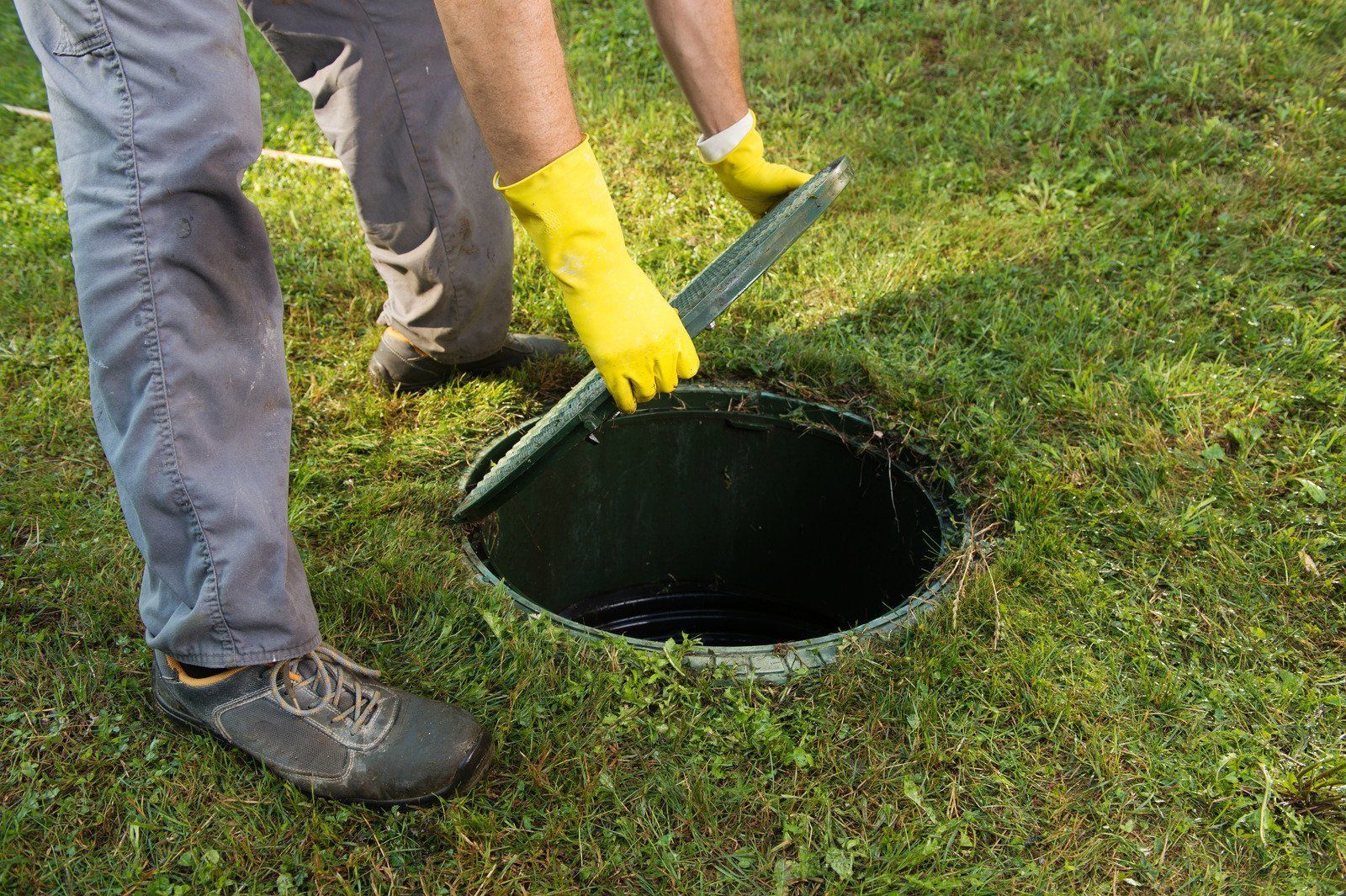
Inspectors check soil sloping toward foundations, pooling water, poorly placed downspouts, and soggy yards or odors indicating potential septic drain field problems.
Why It Is Hard To Fix
Failing drain fields and damaged tanks require licensed septic professionals and permits, while grading changes can affect neighboring properties and drainage patterns.
How To Avoid It
Maintain proper foundation grading, extend downspouts, protect drain fields, schedule regular septic maintenance, and arrange specialized inspections for homes without municipal sewer connections.
Warning: A small finding can point to a large one. A minor stain, a sticky door, or a slow drain may be the visible tip of something deeper, so do not dismiss an item just because the photo looks modest. Ask the inspector what could be causing it and whether a specialist should look.
How to Avoid Being Surprised
Most buyers who run into trouble after closing did not ignore a clear warning. They either skipped a step or never learned what a particular finding meant. These habits reduce your risk of a late surprise.
Inspect Before You Commit
Schedule a full home inspection and relevant specialty tests during your inspection period to identify serious conditions early.
Attend The Inspection
Walk through the property with your inspector to observe issues firsthand and ask questions immediately.
Read The Report In Tiers
Prioritize safety hazards, structural concerns, and specialist evaluations before addressing routine maintenance recommendations.
Follow The Specialist Recommendations
Arrange recommended evaluations by qualified specialists before your inspection period expires to avoid overlooking significant problems.
Plan Maintenance Early
Create an annual checklist covering gutters, grading, filters, caulk, roofing, crawlspaces, and septic systems.
Consider A Pre-Listing Inspection If You Are Selling
Identify problems before listing to allow time for repairs, document collection, and a smoother sale process.
Frequently Asked Questions
Which inspection finding is considered the most serious?
It depends on the home, but structural movement, ongoing water intrusion, and electrical hazards usually draw the most attention. Your inspector will point out which items in your report fall into those groups.
Can a home inspector tell me how severe a problem is?
An inspector can describe what is visible, explain why it matters, and recommend the right specialist. Judging the full extent of a concern often takes a licensed professional with specialized tools.
Does one serious finding mean I should walk away from the house?
Not necessarily. Many serious findings can be addressed by the right professionals. Understand the finding, have a specialist evaluate it, and then make your decision with complete information.
How can I tell whether a stain or crack is old or active?
Moisture meters, thermal imaging, and a careful look at surrounding materials help an inspector judge whether water is present. Ask whether the area was dry or damp on inspection day.
Are new homes free of these problems?
No. New construction can have grading errors, flashing mistakes, and installation problems that are easy to miss once drywall goes up. A pre drywall inspection and a one year warranty inspection help.
What can I do before listing my home to avoid surprises in the buyer's report?
Check the roof, gutters, attic, and crawlspace, test outlets and fixtures, and consider a pre listing inspection. Fixing or documenting what you find ahead of time makes a buyer's report easier to handle.
Knowing the House Before the Surprises
Brad Inspects
has walked roofs, crawlspaces, attics, and panels from Jacksonville, NC for 10
years, and the buyers and sellers who feel best about their reports read them in tiers. They deal with safety and structural items first, bring in specialists where a visual inspection reaches its limit, and plan simple maintenance after closing. A report treated as information rather than a verdict gives everyone involved a clearer view of the home and a steadier path forward.