Crawlspace Moisture Problems in North Carolina: Signs & Solutions
August 30, 2026
Quick Answer: Crawlspace moisture problems show up as a musty smell in the house, condensation beading on ductwork and pipes, damp or sagging insulation, wood rot on floor joists, visible mold or discoloration, and increased pest activity underneath the home. North Carolina's humid climate, heavy rainfall, and high water table in much of the eastern part of the state make crawlspaces especially prone to this kind of moisture buildup. A home inspection catches these signs early using moisture meters and a close visual check of the vapor barrier, framing, and past water lines, well before the damage spreads into the living space above. Solutions generally fall into three categories: sealing the space (encapsulation), controlling humidity (dehumidification), and managing water before it pools (drainage), and a qualified moisture or foundation specialist should design the right combination for the home.
You walk into a house that looks fine on the surface: new paint, clean carpet, staged furniture in every room, and then you notice it. That faint, earthy smell that hangs in the hallway no matter how many windows are open. Or maybe you're the one selling, and a buyer's agent just asked when the crawlspace was last checked. Either way, that smell usually starts below your feet, in the space between the ground and your floor joists that nobody thinks about until something goes wrong down there.
In North Carolina, that space works harder than it does almost anywhere else. Between the humidity, the rain, and the soil this state sits on, crawlspaces here take on moisture in ways that homes in drier climates rarely deal with. Knowing what to look for, and what an inspector actually checks for, is how you catch the problem while it's still manageable.
Why North Carolina Crawlspaces Take On So Much Moisture
Every crawlspace holds some moisture. The trouble in this state is how much, and how often.
North Carolina's humid subtropical climate keeps outdoor air heavy with water vapor for most of the year, and that air finds its way into vented crawlspaces through the foundation openings built to ventilate them. When warm, moist air meets the cooler surfaces under a house, it condenses, the same way a cold glass of tea sweats on a summer porch. That condensation lands on ductwork, plumbing lines, and framing, and it doesn't dry out fast in a space with limited airflow.
Add to that the water table. Much of eastern North Carolina, including the coastal plain around Jacksonville and Wilmington, sits on sandy, low-lying soil where groundwater can sit close to the surface. After a heavy rain, or during hurricane season, that water table rises and pushes moisture up through the crawlspace floor even without a single drop of standing water ever appearing. Older homes without a proper vapor barrier are exposed to that moisture directly, soil to wood, with nothing stopping the transfer.
Seasonal swings make it worse. Spring and fall bring the sharpest temperature shifts, and that's exactly when condensation cycles run hardest. A crawlspace that seems dry in January can be dripping by June.
Signs of a Crawlspace Moisture Problem
Most moisture problems announce themselves before anyone crawls under the house to look. You just have to know what you're noticing.
A Musty Smell In The House
This is usually the first clue, and it's often the only one a homeowner ever notices on their own. The odor comes from mold and mildew growing on wood and insulation, and it travels upward through floor penetrations, gaps around plumbing, and the HVAC system itself.
Condensation On Ducts And Pipes
Take a flashlight down there on a humid day and you'll often see beads of water clinging to metal ductwork, copper pipes, or the underside of subflooring. That's moisture in the air finding a cold surface to land on, and it's one of the clearest visual signs an inspector looks for.
Sagging Or Damp Insulation
Fiberglass batts hanging loose or drooping between joists have usually absorbed water they can no longer hold. Wet insulation stops doing its job, and it becomes another surface where mold can take hold.
Wood Rot On Framing
Floor joists, sill plates, and support posts that stay damp long enough start to soften, darken, and lose structural integrity. Press a screwdriver into a joist that looks discolored and it may sink in with almost no resistance, which is a sign the wood fiber has already broken down.
Visible Mold Or Staining
Dark or greenish patches on wood, insulation, or the vapor barrier point to active growth. The extent and type matter, which is exactly why a targeted evaluation, not a guess from the hatch, is the right next step when this shows up.
Pest Activity
Termites, carpenter ants, and other wood-destroying insects are drawn to damp, decaying wood. Finding mud tubes, frass, or insect damage during an inspection is often the first sign that moisture has been a problem for a while, not just a season.
TIP: If you can safely peek into the crawlspace access with a flashlight before your inspection, look at the vapor barrier first. Torn plastic, standing puddles, or a barrier that doesn't cover the full floor tells you moisture has a direct path into the space, and it gives your inspector a head start on where to focus.
What a Home Inspection Catches That You'd Likely Miss
A quick look through the crawlspace hatch tells you almost nothing useful. A trained inspector goes in with tools and a trained eye for what past and present moisture actually looks like.
Moisture meters read the actual water content inside wood framing, not just what's visible on the surface. A joist can look fine and still test wet enough to be actively rotting from the inside, and a meter is the only way to know the difference between a stain that's dried out and one that's still feeding a problem.
Inspectors also read the signs of past flooding that most people would walk right past. Silt lines on foundation piers, rust patterns on metal fasteners, and warped wood grain all tell a story about water that came and went before the current owner ever knew about it. That history matters, because a crawlspace that's flooded once tends to flood again under the same conditions.
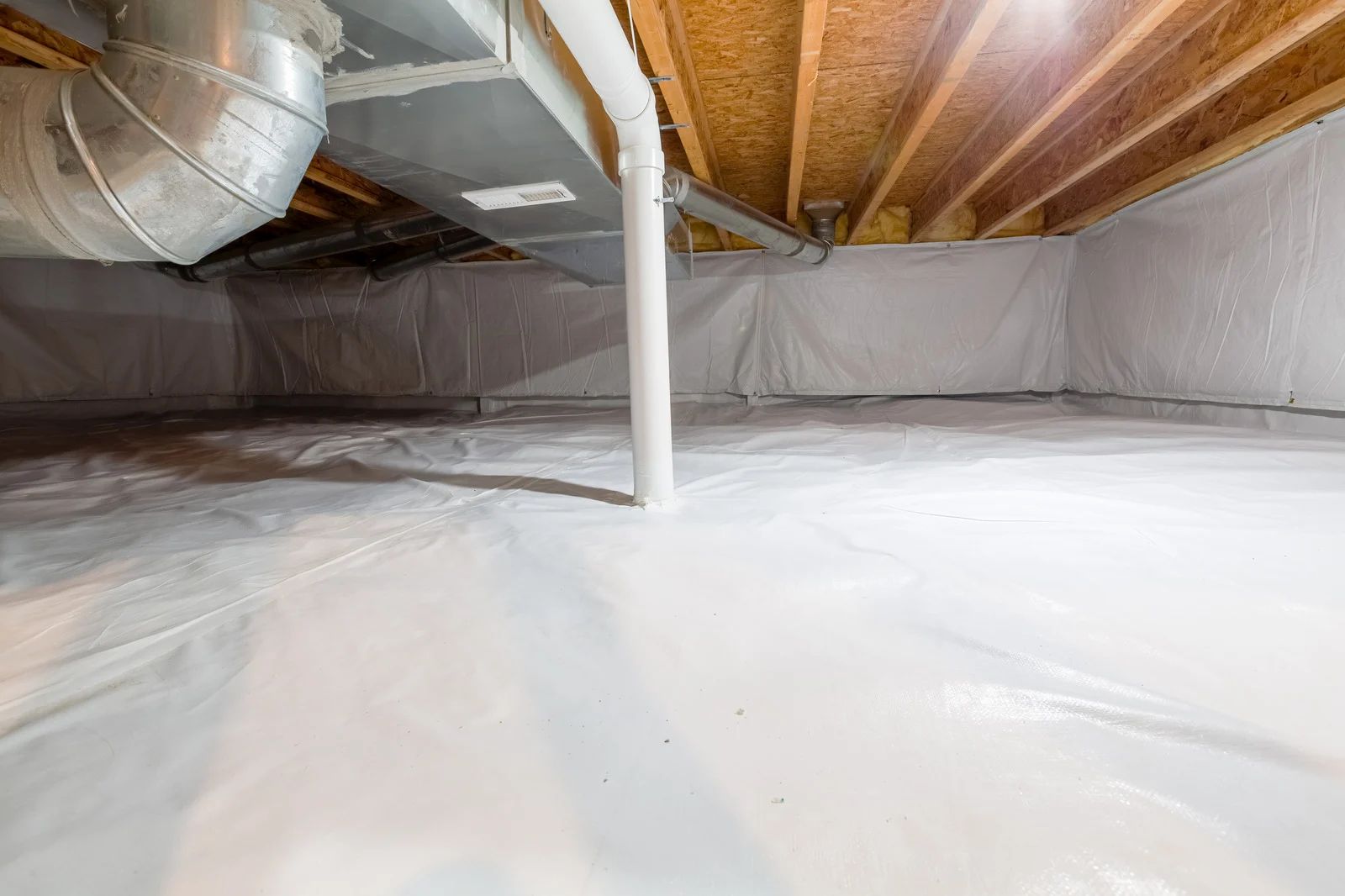
The condition of the vapor barrier gets checked piece by piece: whether it's intact, properly seamed, and running up the foundation walls instead of just lying flat on the dirt. A barrier that's torn, gapped, or missing in sections is doing a fraction of its job, and it's an easy thing to miss from a quick glance.
And thermal imaging fills in what the eye can't catch at all. Infrared reads temperature differences behind materials, which reveals damp insulation or trapped moisture in framing before it ever shows up as a visible stain.
Why This Isn't Something to Watch and Wait On
Moisture problems in a crawlspace rarely stay the same size. A little condensation this year becomes soft framing next year, and soft framing left alone becomes a structural repair. The wood doesn't heal on its own, and neither does a vapor barrier that's already torn.
There's also the airflow problem. Air moves between the crawlspace and the rest of the house more than most people realize, pulled upward through gaps, ductwork, and stairwells. Whatever is happening under the floor, whether that's a musty smell or humidity that never quite drops, tends to work its way into the living space over time.
Warning: Never go into a crawlspace with standing water, sagging framing, or a strong chemical or sewage smell on your own. Wet, deteriorated joists can fail under weight, and some conditions call for protective equipment a homeowner typically doesn't have on hand. Leave that assessment to a professional who knows what to look for and how to move through the space safely.
Solutions You'll Hear About (and What They Actually Do)
Once moisture is confirmed, the fix generally comes down to a combination of three approaches. None of these are something an inspection performs, but knowing the categories helps you understand a specialist's recommendation when you get one.
Vapor Barriers And Encapsulation
A basic vapor barrier covers the soil floor to block ground moisture from evaporating upward. Full encapsulation goes further, sealing the walls, floor, and vents into a closed system that keeps outside humidity from getting in at all. The right choice depends on how much moisture the space is dealing with and what's driving it.
Dehumidification
Even a sealed crawlspace holds some humidity, and a dehumidifier sized for the space keeps that air dry year-round. This addresses the condensation problem that a vapor barrier alone can't touch, since barriers stop ground moisture but not humid air already inside the space.
Drainage
When water is actively entering the crawlspace, whether from grading issues, a high water table, or heavy rain, a drainage system routes it out before it can pool. This might mean interior channels, a sump pump, or exterior grading corrections, depending on where the water is coming from.
A qualified moisture or foundation specialist evaluates the specific cause before recommending a fix. The wrong solution, like sealing a space that still has an active water intrusion problem, just traps the moisture that's already getting in.
Buying or Selling a Home With a Damp Crawlspace
For a buyer, crawlspace moisture findings shape how you move forward with a purchase. Some conditions are minor and easily addressed. Others point to ongoing structural risk that deserves a harder look before you close. Either way, having a documented, professional assessment gives you something concrete to work from instead of guessing based on a smell.
For a seller, getting ahead of it changes the conversation entirely. A pre-listing inspection that flags crawlspace moisture early lets you address it, or at least disclose it clearly, on your own timeline rather than during a buyer's negotiation.
And for an agent, a clear picture of crawlspace conditions early in the process is what keeps a deal from unraveling over a surprise nobody saw coming.
Frequently Asked Questions
How soon after a storm should I have a home inspected?
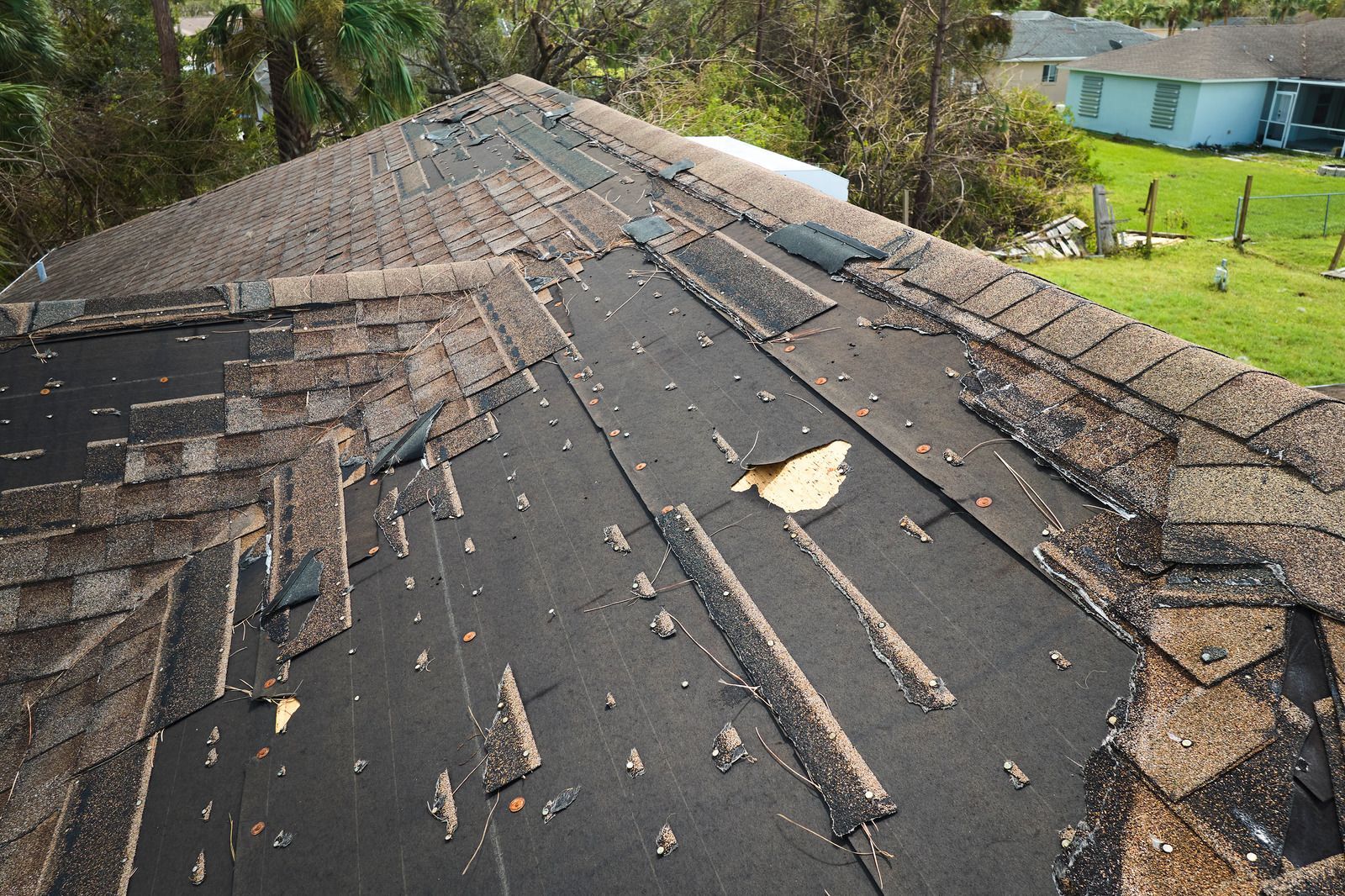
As soon as it's safe. The faster damage is found, the less time water has to rot the roof deck or crawlspace. A prompt inspection also records the home's condition right after the event.
Is a musty smell always a sign of a crawlspace problem?
A persistent musty smell often points to mold, mildew, damp insulation, or wet wood beneath the home. While the crawlspace is a common source, an inspection can confirm where the odor originates.
Can a crawlspace have moisture damage without standing water?
Yes. High humidity and condensation can damage insulation, encourage mold growth, and contribute to wood rot without visible puddles. Moisture meters and visual inspection can identify these hidden conditions before they become extensive.
Does every North Carolina home need crawlspace encapsulation?
No. Some crawlspaces remain adequately dry with proper grading, drainage, vapor barriers, and ventilation. Encapsulation is typically recommended based on the home's specific moisture conditions rather than as a universal requirement for every property.
How does an inspector find mold without lab testing?
An inspector can identify visible discoloration, staining, moisture conditions, and other signs consistent with possible mold growth. Laboratory testing may be needed to identify a suspicious substance or determine its specific type and extent.
Will crawlspace moisture affect the rest of the house?
It can. Moisture, odors, and airborne contaminants can move upward through gaps, floor penetrations, and HVAC pathways. Addressing crawlspace moisture early can help protect indoor comfort and prevent conditions from spreading into living areas.
Understanding Crawlspace Moisture Before It Spreads
Crawlspace moisture can be easy to overlook until the effects become noticeable inside the home. Musty odors, damp insulation, condensation, wood discoloration, and pest activity can all point to excess moisture beneath the floor. In Jacksonville, NC, where humidity and seasonal rainfall can keep crawlspaces damp for extended periods, identifying the source early helps prevent more expensive repairs. A professional inspection provides a clearer picture of current moisture conditions and any damage that may already be developing.
Brad Inspects
serves Jacksonville, NC, with 10
years of experience evaluating homes and identifying conditions that may affect their safety, comfort, and long-term condition. A careful crawlspace assessment can reveal problems that are difficult to spot from the access opening, including elevated wood moisture, damaged vapor barriers, insulation concerns, and evidence of previous water intrusion. Understanding these findings gives homeowners, buyers, and sellers the information they need to make informed decisions about the property.