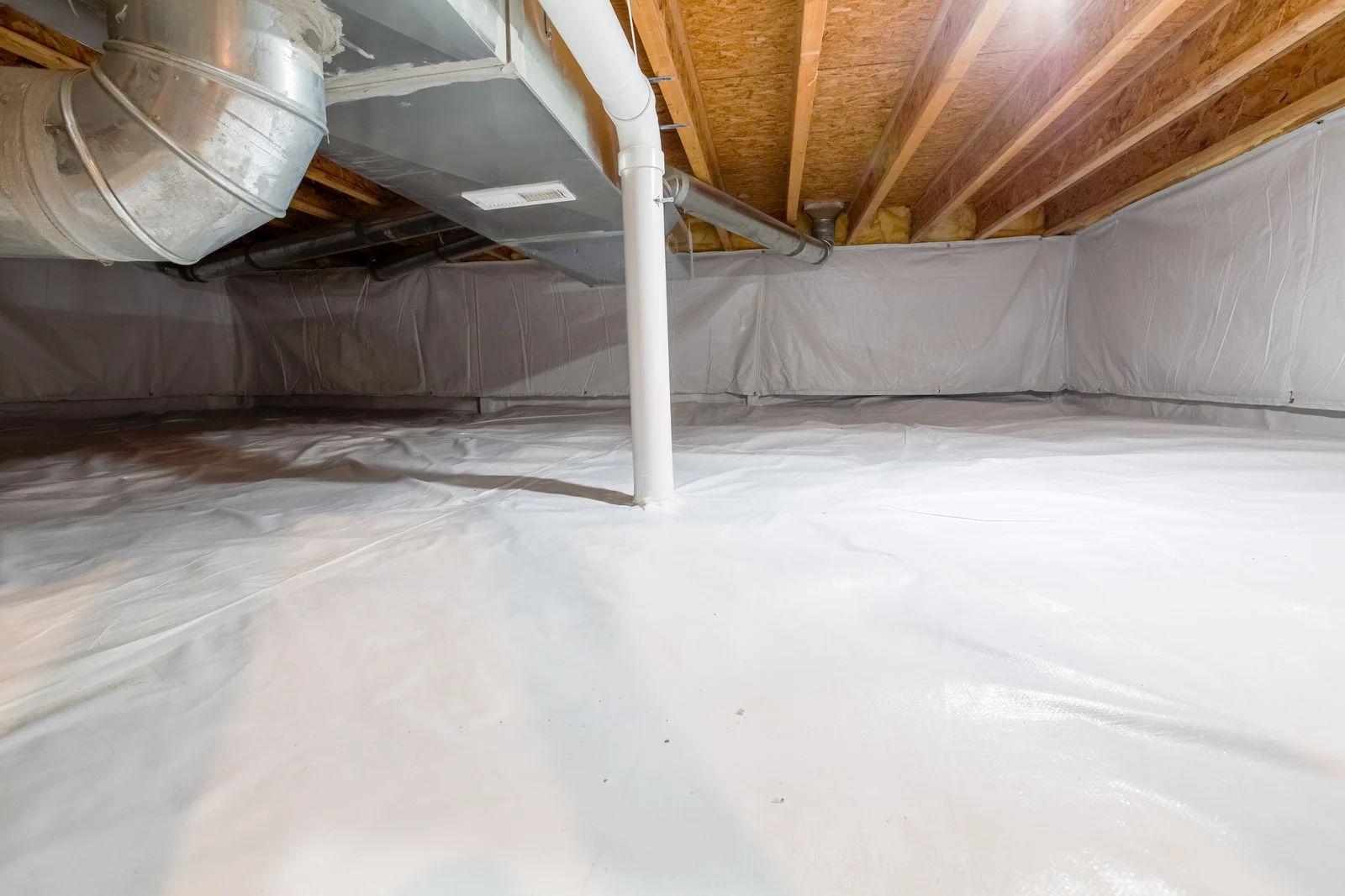
Septic Inspections in Rural Onslow County: What Homeowners Should Know
October 31, 2026
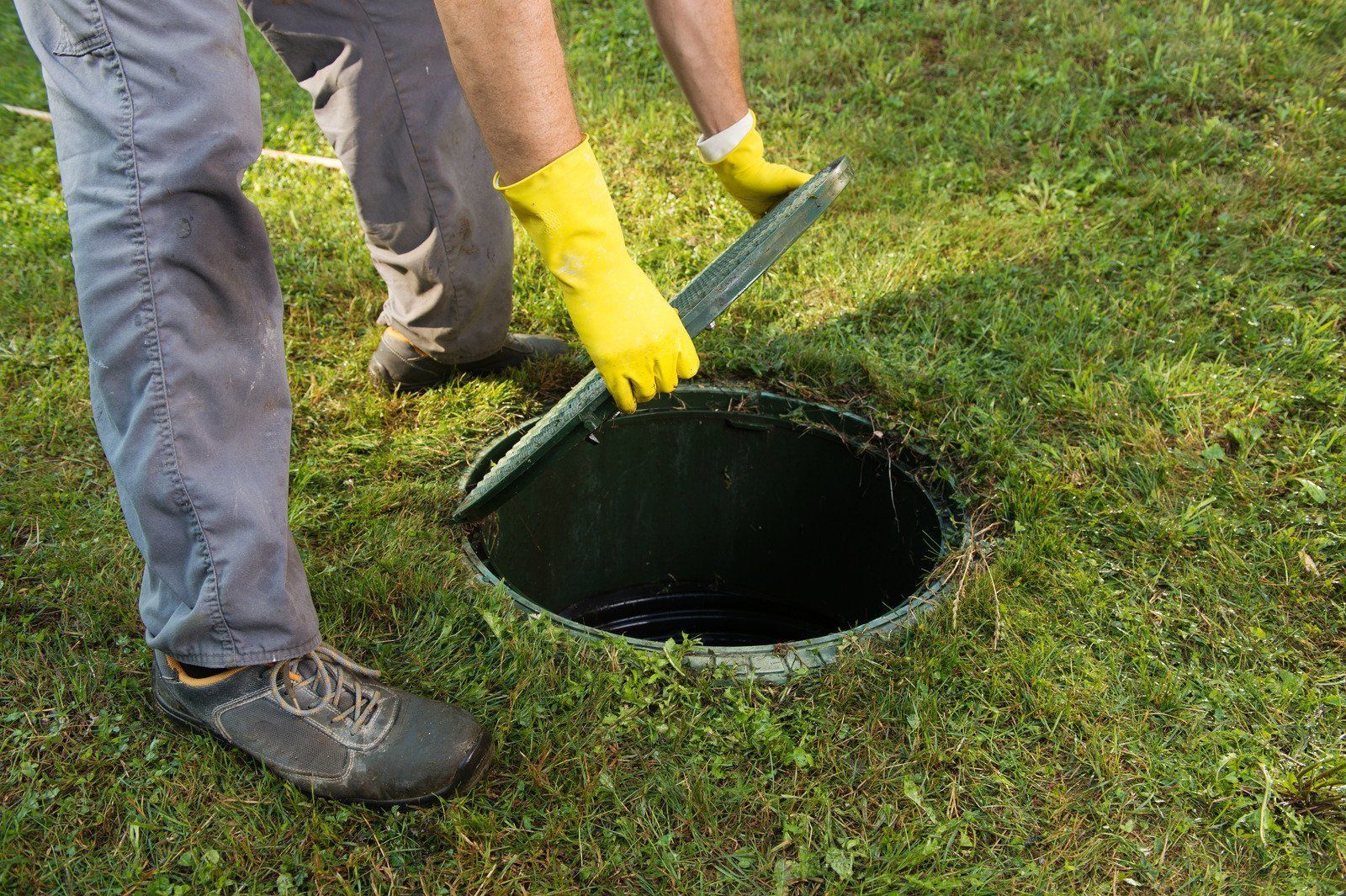
Quick Answer: Outside city sewer lines, your home treats its own wastewater, and the tank, pipes, and drain field underground do that job out of sight. A septic inspection is how you see what is happening down there before you buy, sell, or settle into a home. An inspector locates the tank, checks its condition and liquid levels, looks at the pipes and distribution components, and evaluates how well the drain field is absorbing water. In rural Onslow County, sandy soils, a seasonally high water table, and heavy coastal rain all affect how a system performs, so a clean looking yard tells you very little. The report gives you a documented picture of the system and maintenance or repair recommendations to discuss with the other side of the deal.
You found the house. It sits on a quiet road past the last stoplight, with a big yard, a few pines, and no sewer cleanout at the curb. Your agent mentions that the home runs on a septic system, and the seller says it has "never given any trouble." That sentence sounds reassuring, and it might even be true. But nobody can see the tank, nobody can see the drain field, and "never any trouble" only describes the years when nothing has gone wrong yet.
That is the gap a
septic inspection fills. In town, wastewater leaves your house through a pipe and becomes the municipality's responsibility. In the rural parts of Onslow County, it stays on your property, and the system that treats it becomes part of the house you are buying or selling. This article explains why septic evaluations matter so much outside city sewer areas, what an inspector looks at, what local conditions change the picture, and how to use the results if you are a buyer, a seller, or an agent.
Why Septic Systems Deserve Their Own Evaluation
A standard home inspection is a visual review of the structure and the major systems you can see and reach. It covers the roof, the plumbing you can run water through, the electrical panel, the heating and cooling equipment, and much more. It does not dig up the yard or open the tank, and the septic system lives almost entirely in the ground.
When a house is connected to city sewer, the inspector can run the fixtures, confirm that water drains, and move on. When the house has a septic system, draining well on inspection day proves only that the pipes inside the house are open. It says nothing about whether the tank is sound, whether the drain field can still absorb what the household sends to it, or whether the system is already near the end of its working life.
The System Is Hidden By Design
Buried tanks, underground pipes, and concealed drain fields can develop problems for years without visible surface warning signs.
The Home Depends On It Completely
Every sink, shower, toilet, and washing machine relies on the septic system to safely handle household wastewater.
It Behaves Differently From The Rest Of The House
Drain fields gradually lose capacity, meaning systems that handle light use may struggle when household wastewater demands increase.
What the System Actually Is
Most homes in rural areas use a conventional system with three parts working in sequence.
The Septic Tank
Wastewater enters the buried tank, where solids settle as sludge, oils form scum, and filtered liquid moves onward.
The Distribution Components
Pipes and distribution boxes direct liquid from the septic tank evenly across the drain field lines.
The Drain Field
Perforated pipes release wastewater into surrounding soil for filtration and treatment; poor absorption can cause system backups.
Some properties use pumps, alternative designs, or systems that need more regular attention, and those include mechanical parts that can fail on their own schedule. An inspector who looks at your system should identify which type you have, since that changes what is checked and how often it needs service.
Why Rural Onslow County Conditions Matter
Septic performance depends on the ground as much as on the equipment, and the ground in this part of eastern North Carolina has its own character.
Sandy And Variable Soils
Coastal plain soils vary in drainage and water retention, so nearby septic systems can perform very differently despite similar conditions.
A Seasonally High Water Table
Groundwater often rises during wet months, saturating drain fields and preventing absorption, potentially causing wastewater to surface or back up.
Heavy Rain And Storms
Prolonged rainfall and tropical storms saturate soil, exposing drainage weaknesses that may remain unnoticed during drier weather conditions.
Trees And Roots
Mature tree roots seek moisture and can penetrate septic pipes and chambers, restricting wastewater flow and reducing system performance.
Distance From Services
Rural properties often lack sewer connections, making septic repairs dependent on permits, soil evaluations, qualified contractors, and advance planning.
TIP: Ask the seller for anything they have on the system, such as pumping records, a diagram of where the tank and field sit, and the original permit paperwork. Documents like these help the inspector locate components and help you see how the system has been maintained.
What a Septic Inspection Looks At
The scope can vary with the type of system and the conditions on the property, but a thorough evaluation generally works through the following areas.
Locating The Components
The inspector identifies the tank, lids, risers, distribution components, and drain field to document their locations and prevent future damage.
Tank Condition
The inspector checks for cracks, deterioration, leaks, and damaged inlet or outlet baffles that could allow solids into the drain field.
Liquid And Solids Levels
Tank liquid and solids levels are measured to identify unusual conditions that may indicate leaks, blockages, or drain field problems.
Pumps And Mechanical Parts
If equipped with pumps, floats, or alarms, the inspector operates and tests these components to confirm proper functioning.
Pipes And Flow
The inspector checks pipes connecting the house, tank, and drain field for leaks, blockages, and irregular wastewater movement.
Drain Field Performance
The inspector examines the drain field for soggy soil, standing water, strong odors, and unusual grass growth indicating potential system failure.
Overall Drainage Efficiency
Water is run through household fixtures to evaluate how effectively the entire septic system handles wastewater under normal operating conditions.
The inspection ends with a written report that lays out what was found and offers maintenance or repair recommendations. For a real estate transaction, that report becomes a shared reference for everyone at the table.
What the Results Can Tell You
Most septic reports fall into a few general categories.
The System Is Working As Expected
You receive a documented baseline and recommendations for routine pumping and periodic servicing, providing a useful reference for comparing the system's condition in future years.
The System Needs Maintenance
The inspection may identify routine needs, such as tank pumping, baffle repairs, or securing risers and lids, helping keep the existing septic system functioning properly.
The System Shows Signs Of Trouble
Saturated drain fields, failing components, or irregular flow may require further evaluation by a licensed septic contractor or local environmental health office to determine appropriate repairs.
Notice what the report does not do. It does not guarantee how long the system will last, and it does not replace the judgment of a licensed septic professional or the local permitting authority when a repair or replacement is on the table. It tells you what could be observed on that day, clearly and with documentation.
Warning: Do not rely on the absence of odors or wet spots as proof that a septic system is healthy. A system can be in poor condition below ground well before the yard shows anything, and conditions on inspection day, such as a dry spell, can hide problems that appear during wet weather.
How Buyers, Sellers, and Agents Can Use the Evaluation
If You Are Buying
The evaluation tells you what you are really taking on. Schedule it early in your inspection period, since scheduling a specialist, uncovering a tank, or following up with a contractor takes time. If the report shows concerns, you can talk through next steps with your agent while you still have room to negotiate.
If You Are Selling
A septic evaluation before you list lets you find out what a buyer's inspector will find. If the system is in good shape, you hold a report that answers the question buyers in rural areas always ask. If something needs attention, you learn about it on your own schedule instead of in the middle of a contract.
If You Are An Agent
Rural listings with septic systems tend to generate more questions from buyers than city listings do. Recommending a septic evaluation as part of the inspection plan protects your client and keeps the transaction moving, since fewer unknowns means fewer late surprises.
If You Already Own The Home
Septic systems reward regular attention. Household guidance from public health and environmental agencies generally recommends having a household system inspected at least every three years and pumping the tank every three to five years, with the schedule depending on household size, water use, and tank size. Systems with pumps or mechanical parts usually need more frequent checks.
Everyday Habits That Protect a Septic System
Whether you bought last week or have owned the home for decades, the habits of the household decide how long the system lasts.
Spread Out Your Water Use
Space laundry loads throughout the week to prevent overwhelming the drain field with excess water.
Fix Leaks Quickly
Repair running toilets and dripping fixtures promptly to prevent unnecessary wastewater from entering the septic system.
Be Careful What Goes Down The Drain
Avoid grease, wipes, and chemical drain openers that can clog pipes or disrupt beneficial bacteria.
Protect The Drain Field
Keep vehicles, structures, and trees away, and direct roof drains and sump pump discharge elsewhere.
Keep Records
Document every pumping and service visit with dates to support resale disclosures and future inspections.
Frequently Asked Questions
Does a regular home inspection include the septic system?
A standard home inspection checks the plumbing inside the house and confirms that fixtures drain, but it does not evaluate the buried tank or drain field. A septic inspection is a separate service.
How do I know if a home is on septic or city sewer?
Ask your agent or the seller, and look for a buried tank lid, an access riser, or no sewer cleanout near the street. Your inspector can also confirm what the property uses.
Can a septic system fail even if the house drains normally?
Yes. Drains inside the house can run freely while the tank deteriorates or the drain field loses its ability to absorb water. That is why the evaluation focuses on the buried parts.
Should I get a septic inspection if the seller recently had the tank pumped?
Yes. Pumping empties the tank, but it does not show whether the tank is cracked, the baffles are intact, or the drain field works. A pumping receipt helps, but an evaluation shows the rest.
What if my well is close to the septic system?
Many rural properties have both a private well and a septic system. They are separate systems, and each deserves its own evaluation. Many buyers schedule a well water analysis alongside the septic inspection.
When is the best time to schedule the evaluation?
As early in your inspection window as you can. Recent rain or a high water table can affect what the inspector sees, and leaving time for specialist follow up prevents a rushed decision.
Seeing the System Beneath the Yard
Brad Inspects
has evaluated septic systems from Jacksonville, NC for 10
years, and the buyers and sellers who use the results well treat them as a starting point. Pumping records, maintenance habits, and a protected drain field keep a system working long after the inspection day. Whether a home is being bought, sold, or simply lived in, knowing what lies underground lets decisions rest on facts instead of a good feeling about the lawn.