The Biggest Home Inspection Issues Found in Jacksonville, NC Homes
March 31, 2026
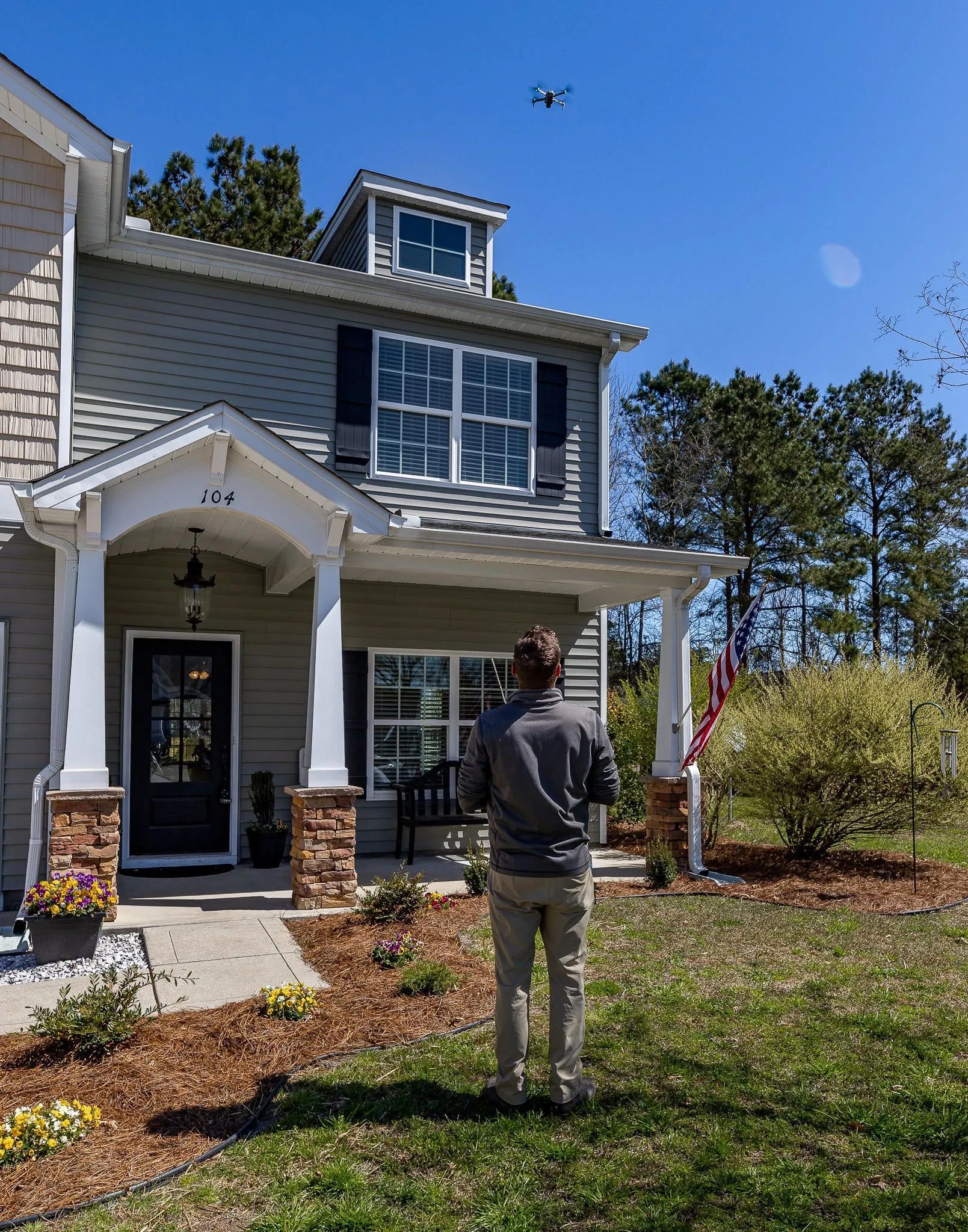
Jacksonville, North Carolina, is a vibrant coastal city with a housing market that draws a mix of military families, retirees, and long-term residents. With its proximity to the Atlantic and its humid subtropical climate, homes in this region face unique environmental pressures that can affect structural integrity and long-term livability. For homeowners and prospective buyers alike, understanding the common issues that arise during home inspections is critical for protecting investment value and ensuring a safe, comfortable living space. Early identification of these problems not only prevents costly repairs but also supports informed decisions when purchasing or maintaining a property.
Environmental factors in Eastern North Carolina, including high humidity, frequent storms, and coastal moisture, contribute to challenges that are less prevalent in other regions. Issues such as wood rot, HVAC strain, and roof wear often emerge during inspections, signaling deeper underlying problems that demand attention. By exploring the most common inspection findings, this guide provides insight into the factors that influence property condition in Jacksonville, NC homes. With actionable strategies and expert observations, readers gain a practical roadmap to anticipate, address, and mitigate these persistent home maintenance challenges.
Moisture and Crawlspace Problems
Understanding Crawlspace Moisture
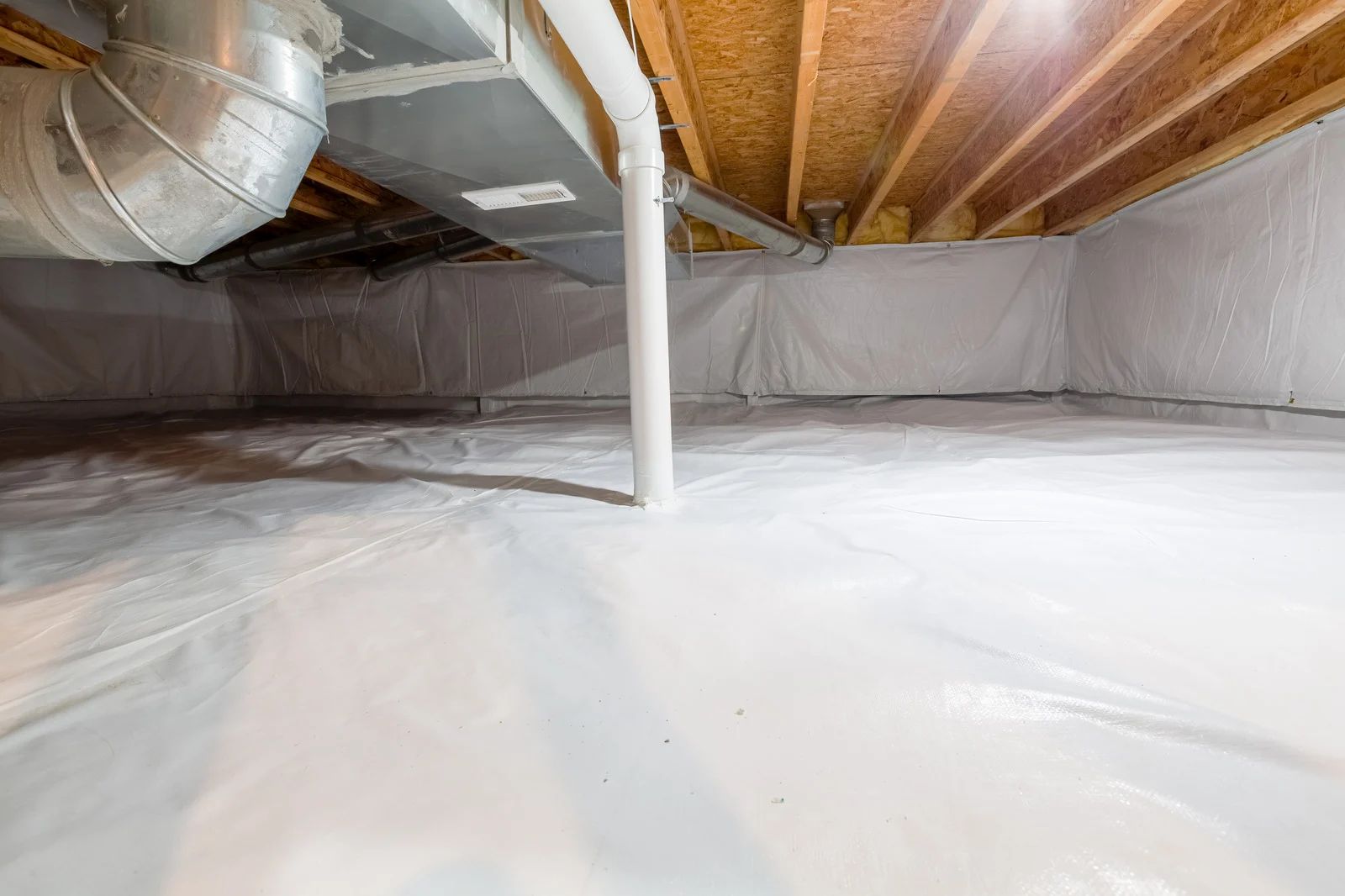
Crawlspaces are a common feature in Jacksonville, NC homes due to the region’s elevation and flood-prone zones. While designed to provide access for plumbing and electrical systems, these areas are particularly vulnerable to moisture intrusion. High humidity combined with occasional flooding can lead to persistent dampness, creating conditions ideal for mold growth, wood decay, and structural compromise. Signs of moisture issues often include musty odors, visible mold, standing water, and warped flooring above the crawlspace.
Causes of Excess Moisture
Multiple factors contribute to crawlspace moisture. Poor drainage around the foundation, leaking plumbing, inadequate vapor barriers, and high outdoor humidity levels are frequent culprits. Homes built on clay soils may experience water retention, further exacerbating moisture problems. Jacksonville’s climate, with its hot, humid summers and wet hurricane seasons, increases the likelihood of prolonged dampness if preventative measures are not implemented.
Solutions and Best Practices
Addressing crawlspace moisture requires a multi-layered approach. Installing a quality vapor barrier over the soil, improving perimeter drainage, and adding dehumidifiers designed for crawlspace use can substantially reduce moisture levels. Routine inspections are essential to detect early signs of mold or structural damage. In some cases, encapsulation systems—which seal off the crawlspace from outdoor air—offer long-term protection while maintaining ventilation standards recommended by building codes. Proactive moisture management prevents wood rot and preserves HVAC efficiency by minimizing damp air circulation throughout the home.
HVAC Strain From Humidity
The Impact of Eastern North Carolina’s Climate
Homes in Jacksonville often contend with high humidity levels exceeding 70% during the summer months. Excess moisture in indoor air increases HVAC system workload, driving up energy consumption and accelerating wear on components. Air conditioners and heat pumps must run longer to maintain comfortable temperatures, which can shorten lifespan and increase maintenance needs. Additionally, HVAC systems operating under strain are more prone to uneven cooling, condensation issues, and mold growth within ducts.
Common HVAC Issues Identified During Inspections
Inspection reports frequently highlight problems such as refrigerant leaks, clogged condensate drains, dirty coils, and inefficient airflow caused by dampened insulation or condensation. Poorly maintained systems may struggle to maintain consistent indoor air quality, leading to higher allergen levels and discomfort for occupants. Homes without properly sized HVAC units or systems lacking regular servicing are at heightened risk of failure during peak summer months.
Strategies for Homeowners
To mitigate HVAC strain, it is essential to schedule seasonal maintenance, including coil cleaning, refrigerant checks, and duct inspections. Installing a dehumidifier or integrating humidity control features into existing HVAC systems can relieve excessive load and extend equipment life. Ensuring proper insulation in attics, basements, and crawlspaces further reduces energy demands. Regular monitoring of humidity levels and professional servicing allows early detection of issues before they escalate into costly repairs, maintaining both comfort and efficiency.
Roof Wear From Storms
Jacksonville’s Storm Exposure
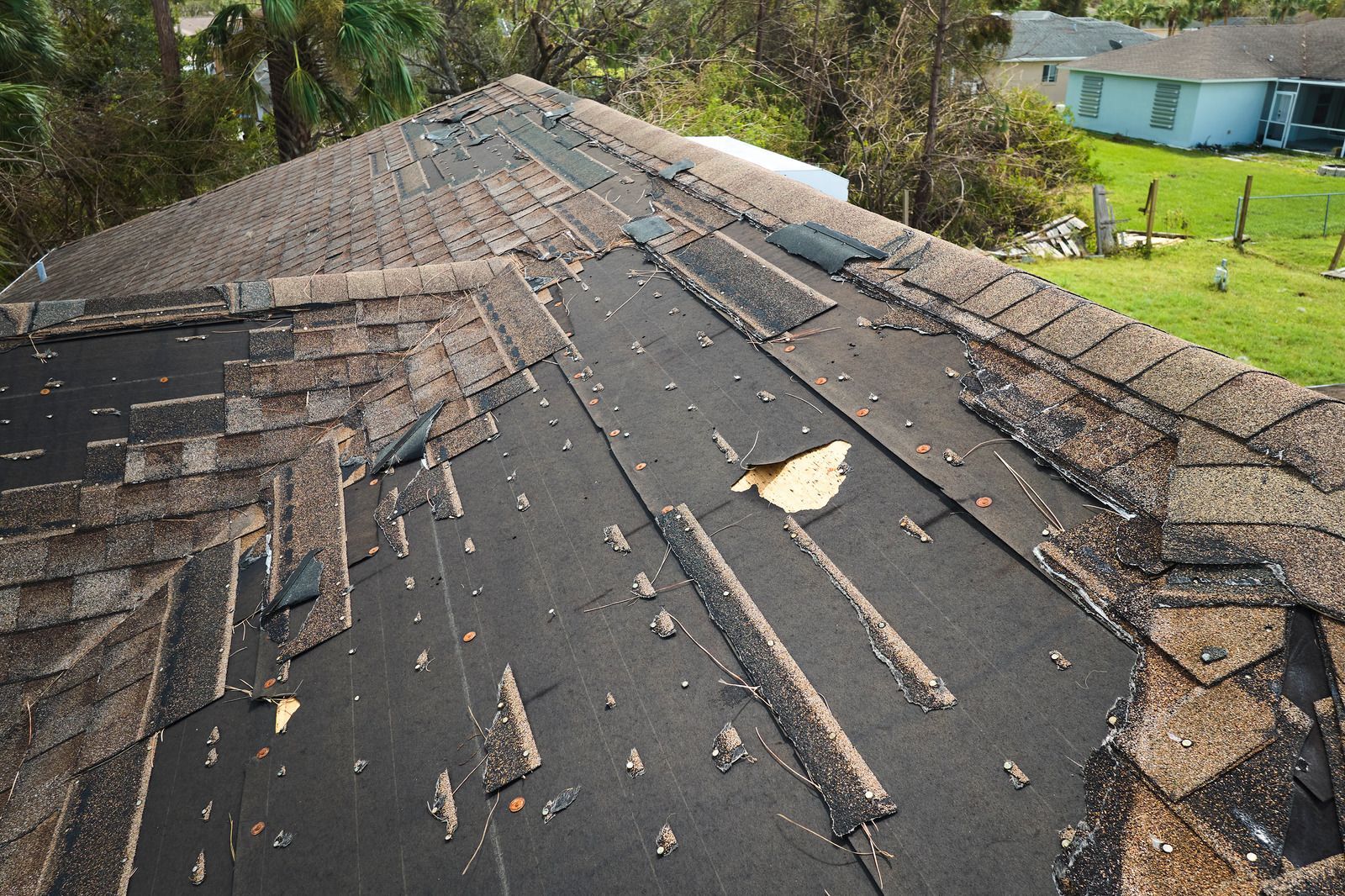
Located near the Atlantic, Jacksonville homes face frequent exposure to tropical storms, hurricanes, and heavy rainfall events. Roofs absorb the brunt of this impact, with high winds, hail, and prolonged water exposure causing significant wear over time. Common signs of roof degradation include missing or cracked shingles, deteriorated flashing, water stains on ceilings, and granule loss. These issues not only threaten the roofing system itself but can lead to water intrusion, mold growth, and structural damage if left unchecked.
Typical Roof Problems Discovered During Inspections
Home inspections often reveal areas where shingles have lifted, nails have rusted, or underlayment has deteriorated. Improper roof ventilation and clogged gutters exacerbate wear by trapping moisture against roofing materials. Flat or low-slope roofs are especially susceptible to ponding water, which can accelerate leaks. In older homes, storm damage may compound preexisting wear, making timely inspection critical to prevent secondary problems.
Preventative Measures and Maintenance Tips
Proactive roof maintenance extends service life and reduces the risk of costly repairs. Annual inspections, especially following storm seasons, allow for early detection of damaged shingles, flashing issues, or compromised underlayment. Installing storm-resistant shingles, reinforcing roof edges, and keeping gutters clean ensure water is directed away from the structure. Applying sealants to vulnerable areas and maintaining proper attic ventilation also protects against moisture buildup and heat-related degradation. By addressing minor issues early, homeowners safeguard both their investment and indoor comfort.
Wood Rot and Structural Deterioration
Factors Contributing to Wood Rot
High humidity, persistent moisture, and coastal salt exposure make wood rot a recurring issue in Jacksonville homes. Exterior wood elements such as fascia boards, window sills, decks, and porches are particularly vulnerable. Once decay begins, it can spread quickly, compromising structural integrity and leading to expensive repairs if not identified promptly. Signs of wood rot include soft spots, discoloration, flaking paint, and a musty odor.
Inspection Findings and Risks
Home inspections commonly uncover hidden rot beneath siding, under decks, and around window frames. Deck support posts and subflooring in crawlspaces are at elevated risk due to frequent contact with damp soil. Untreated or improperly maintained wood accelerates degradation, especially when combined with poor ventilation or persistent leaks. In severe cases, structural load-bearing components may weaken, creating safety hazards that require immediate remediation.
Mitigation and Repair Strategies
Preventing wood rot begins with controlling moisture around and within the home. Sealing gaps, repairing leaks, applying protective coatings, and ensuring proper drainage are critical. When rot is detected, professional assessment is necessary to determine whether partial replacement or full structural remediation is required. Using pressure-treated or rot-resistant lumber in vulnerable areas provides long-term durability. Regular inspections, especially in crawlspaces, attics, and exterior woodwork, allow early intervention, preserving both safety and property value.
Plumbing and Foundation Concerns
Plumbing-Related Issues in Humid Climates
In Jacksonville, humid conditions and older plumbing systems contribute to leaks, pipe corrosion, and water infiltration. Inspectors often identify slow leaks, damaged seals, and inadequate pipe insulation that increase the risk of mold growth and water damage. Crawlspace plumbing, in particular, is prone to deterioration due to persistent moisture exposure.
Foundation Challenges
Clay-rich soils, high groundwater levels, and heavy rain events affect foundation stability. Common inspection findings include minor settling cracks, uneven floors, and wall bowing. While some movement is typical, repeated or significant shifts may indicate drainage issues or structural concerns requiring corrective measures such as grading adjustments or foundation reinforcement.
Preventative Measures and Maintenance
Routine plumbing checks, timely leak repairs, and installing backflow prevention systems mitigate water damage risks. Foundation preservation involves maintaining proper grading, extending downspouts away from the home, and monitoring for cracks or water accumulation near the perimeter. Implementing these practices prevents long-term damage and supports a structurally sound living environment.
Pest and Mold Infestations
Mold Growth in High-Humidity Areas
Jacksonville’s humid climate fosters mold growth in bathrooms, attics, crawlspaces, and other poorly ventilated areas. Mold can trigger health issues, weaken structural components, and damage finishes if left untreated. Inspections often detect hidden mold behind walls, under flooring, or within HVAC ducts.
Pest Intrusions
Termites, carpenter ants, and other wood-damaging insects are a frequent discovery in inspections. These pests target weakened or moist wood, exacerbating existing rot or structural problems. Signs include hollow-sounding wood, small holes, frass deposits, and damaged siding.
Mitigation and Best Practices
Maintaining proper ventilation, controlling moisture, and sealing gaps are key to preventing mold and pest infestations. Regular inspections combined with proactive pest control measures ensure that infestations are addressed early. Utilizing treated lumber, moisture barriers, and proper landscaping techniques further reduces susceptibility to both mold and pests.
Comprehensive Home Assessments By Trusted Jacksonville Professionals
Home inspections in Jacksonville, North Carolina, reveal unique challenges shaped by the coastal climate, high humidity, and environmental stressors. Crawlspace moisture, HVAC strain, roof wear, wood rot, plumbing issues, foundation challenges, and pest or mold infestations are among the most common findings. Addressing these issues early not only protects property value but also ensures a safe, comfortable, and energy-efficient home environment.
At Brad Inspects, serving Jacksonville, North Carolina for over 10
years, expertise in identifying these region-specific issues provides homeowners with a clear understanding of their property’s condition. Each inspection combines thorough analysis, actionable recommendations, and attention to detail, helping clients make informed decisions. Trust in the experience of Brad Inspects
ensures that both buyers and current homeowners gain peace of mind, minimize unexpected repair costs, and maintain a healthy living space. Our commitment to thorough, professional home inspections reinforces the value of proactive maintenance and long-term property care in Eastern North Carolina.